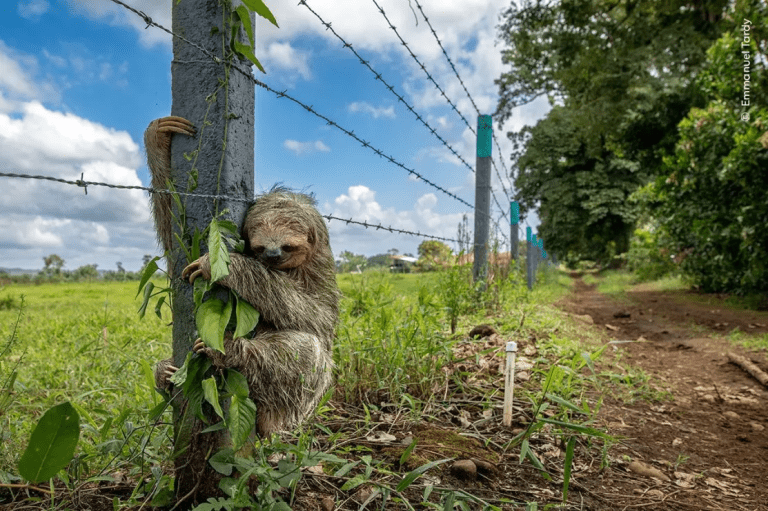

Photographer in a Brazilian city reviewing equipment amid urban life.
Updated: March 16, 2026
This piece examines why Photography Brazil matters for visual culture in the country and beyond. By analyzing the intersection of technology, markets, and storytelling, the article frames practical realities photographers face today in Brazil.
Context: Brazil’s visual economy
In Brazil, photography operates at a juncture between cultural production, commerce, and public life. The country hosts a diverse ecosystem of photojournalists, documentary projects, and commercial studios, reflecting a broad audience that spans megacities like São Paulo and Rio to smaller towns in the Northeast and Amazon region. The concept of an image economy here means not only editorial assignments but also licensing, stock, and community-based projects that feed into national narratives about identity, economy, races, and urban life. For practitioners, the question is not only what to photograph, but who commissions, distributes, and monetizes that work, and how audiences respond across digital and physical spaces. The dynamic is shaped by policy, funding cycles, and a growing set of independent platforms that seek to widen access while preserving editorial standards.
Technology, practice, and distribution
The tools Brazilian photographers deploy are increasingly mobile-first. Smartphones with high-quality cameras, accessible editing apps, and rapid social sharing redefine the speed and reach of work. Platforms like Instagram, Flickr, and emerging local networks create direct links between photographer and audience, sometimes bypassing traditional galleries or agencies. This shift changes how stories are crafted: more emphasis on immediacy, context, and community engagement, and a need to manage captions, metadata, and rights in a way that respects Brazilian audiences and subjects. In parallel, educational programs and collectives in cities and universities are teaching basic post-production, archival practices, and data privacy, strengthening professional standards. The interplay between shoot, edit, and publish cycles is now a core competency for photographers who want sustainable careers in Brazil.
Audience, culture, and storytelling
Brazilian audiences respond to imagery that speaks to local realities—inequalities, urban transformation, and cultural resilience—while also inviting global perspectives. Photographers increasingly frame narratives that balance documentary integrity with aesthetic experimentation, allowing audiences to see familiar places through fresh lenses. This tension—between reportage and representation—drives how projects are developed, funded, and exhibited, whether in local galleries, school projects, or online platforms. For Brazil to benefit from a vibrant image economy, storytellers must navigate consent, fair compensation, and ongoing dialogue with communities, ensuring that images contribute to social understanding rather than simply satisfying voyeuristic appetites.
Actionable Takeaways
- Invest in a local network: partner with schools, collectives, and fellow photographers to share resources, opportunities, and feedback.
- Adopt a mobile-first workflow: streamline capture, editing, and captioning to accelerate sustainable publishing cycles while preserving rights management.
- Leverage Brazil-specific distribution: identify platforms and venues that reach regional audiences, including urban centers and underserved communities.
- Prioritize ethics and consent: develop clear practices for working with people and places to avoid harm and ensure fair compensation where possible.
- Balance craft and commerce: pursue projects that combine rigorous storytelling with viable funding—grants, residencies, and collaborations that support long-term growth.
Source Context
Related reading and context from around the web that informs perspectives on culture, media, and performance:
From an editorial perspective, separate confirmed facts from early speculation and revisit assumptions as new verified information appears.
Track official statements, compare independent outlets, and focus on what is confirmed versus what remains under investigation.
For practical decisions, evaluate near-term risk, likely scenarios, and timing before reacting to fast-moving headlines.
Use source quality checks: publication reputation, named attribution, publication time, and consistency across multiple reports.
Cross-check key numbers, proper names, and dates before drawing conclusions; early reporting can shift as agencies, teams, or companies release fuller context.
When claims rely on anonymous sourcing, treat them as provisional signals and wait for corroboration from official records or multiple independent outlets.
Policy, legal, and market implications often unfold in phases; a disciplined timeline view helps avoid overreacting to one headline or social snippet.
Local audience impact should be mapped by sector, region, and household effect so readers can connect macro developments to concrete daily decisions.
Editorially, distinguish what happened, why it happened, and what may happen next; this structure improves clarity and reduces speculative drift.