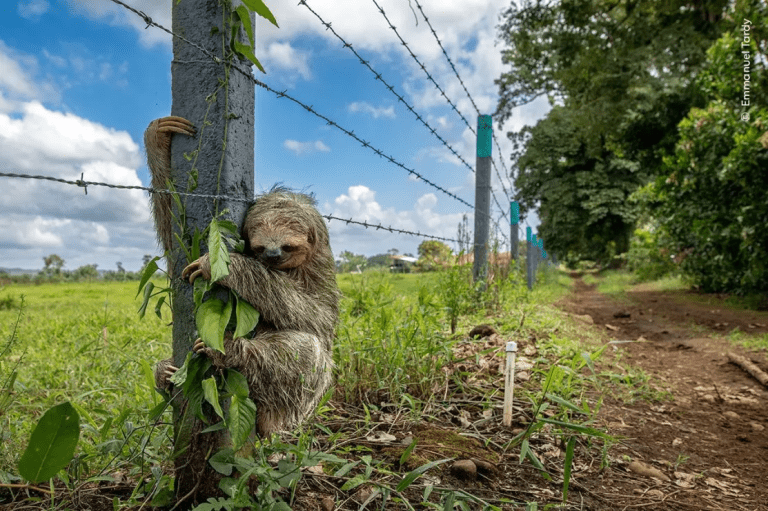

Brazilian street photographer documenting urban life at dusk.
Updated: March 16, 2026
In Brazil, photography is not merely a means of capturing light; it’s a ledger of social change, a language for communities without words, and a professional path that tests artistic vision against market realities. The question of why Photography Brazil matters has moved beyond academic debate into newsroom practice, where photographers negotiate access to gear, funding, and audiences while confronting representation, consent, and risk. Across cities from São Paulo to Recife, practitioners are shaping a new infrastructure for image-making—one that links street practice, studio work, and online platforms in a single continuum. This analysis argues that the core story isn’t a trend line in aesthetics but a practical map of who gets to shoot, publish, and persist, and under what conditions. When cameras connect to smartphones, when galleries welcome new voices, and when public memory is contested in the streets, the act of photographing becomes a tool for storytelling, accountability, and cultural exchange, with real consequences for communities and photographers alike.
From the street to the studio: Brazil’s evolving image economy
Brazilian photographers increasingly navigate an image economy that blends documentary practice with commercial opportunity. Street work, long a means of social observation, now travels through online platforms and independent galleries, allowing images to reach both local audiences and international buyers. In parallel, craftspeople, printers, and publishers are rebuilding a fragile infrastructure—curatorial spaces, print houses, and online shops—that can sustain long-form projects as well as timely reportage. The result is a practice that wears many hats: observer, editor, publisher, and advocate. This mix of roles is not accidental; it reflects a growing recognition that authentic, well-produced images require more than a good camera—they demand access to circuits that can turn a photograph into a legible dialogue with society. For audiences in Brazil, this means more opportunities to encounter thoughtful work in public spaces, with a cadence that respects both immediacy and memory.
Documentary ethics in a polarized society
With heightened political tension and social divisions, documentary photographers face intensified questions about consent, representation, and safety. Ethical practice in this context means engaging with communities as partners, not subjects, and approaching sensitive sites—labor, housing, protest—with transparent aims and clear boundaries. The photographer’s responsibility extends to safeguarding identities in vulnerable communities and providing accurate context through captions, captions, and follow-up material. In such environments, editorial choices matter: how frames are composed, which stories are foregrounded, and how the presence of a lens may influence behavior. The Brazilian context underlines the need for ongoing dialogue with editors, subjects, and audiences to ensure that images illuminate rather than exploit, and that photographers remain accountable to the people who appear in their work as well as to the markets that commission it.
Technology, access, and the next generation
Technology has democratized access to image-making tools, yet it has also intensified competition for attention. Smartphones enable immediate storytelling, but professional photographers must balance speed with craft, ensuring images meet journalistic and artistic standards. Educational programs, residencies, and community labs are expanding opportunities for aspiring Brazilians, particularly in underserved regions, to develop portfolios and pursue publication. The next generation is shaped by open calls, collaborative projects, and cross-disciplinary partnerships with designers, writers, and educators. This ecosystem fosters experimentation—photographers layering documentary work with visual storytelling, data visualization, and experimental print formats—while preserving ethical commitments to subjects and communities. As access widens, so does the responsibility to curate audiences who will value nuanced, responsibly produced images that contribute to a durable public record.
Case studies: collectives and festivals driving change
Across major urban centers—São Paulo, Rio de Janeiro, Belo Horizonte, and outside the big capitals—independent collectives and galleries are shaping opportunities for emerging voices. These groups often foreground collaborative processes, offering mentorship, shared darkrooms, and collective exhibitions that amplify diverse Brazilian perspectives. Festivals and photo residencies provide platforms where local work can travel to international fairs and festivals, enriching the conversation around photography in Brazil. The momentum comes from a convergence of artist-led initiatives, university programs, and municipal or state-backed cultural support that values long-form documentation, investigative reporting, and creative experimentation. This environment helps photographers build sustainable practices—rights-based licensing, fair compensation, and transparent project timelines—while still pursuing ambitious, ambitious storytelling that resonates within Brazil and beyond its borders.
Actionable Takeaways
- Invest in local print production and archival quality to ensure long-term accessibility of Brazilian photographs.
- Develop consent-based, community-centered projects that protect participants and amplify their voices.
- Support residency programs and mentorship networks to nurture the next generation of photographers.
- Experiment with sustainable licensing models that provide fair compensation for authors and collaborators.
- Partner with educational institutions to embed photography into media literacy and cultural heritage initiatives.