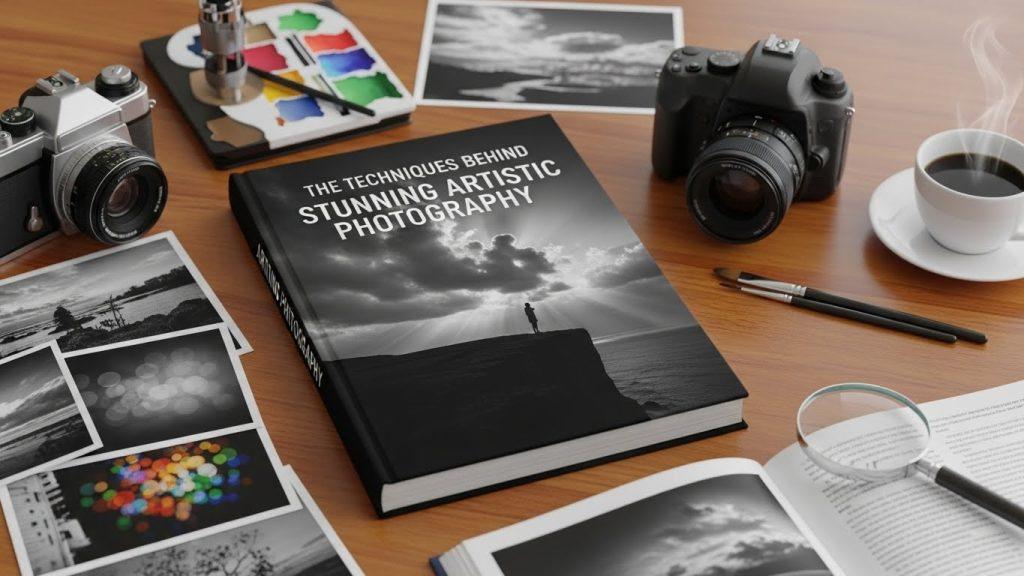
The Techniques Behind Stunning Artistic Photography: A Comprehensive Guide
Artistic photography transcends mere documentation; it is a form of expression that captures the imagination and evokes emotion. For those passionate about crafting stunning images that tell a story or convey a concept, understanding the techniques behind artistic photography is essential. In this comprehensive guide, we will delve into the elements that define artistic photography and explore various techniques to elevate your work.
Understanding Artistic Photography
Artistic photography is not just about capturing a scene; it’s about creating a visual narrative. Unlike traditional photography, which focuses on achieving technical perfection, artistic photography emphasizes creativity and the photographer’s unique vision. This genre often involves experimenting with composition, lighting, and post-processing to produce images that are open to interpretation and emotional engagement.
Essential Elements of Artistic Photography
Composition
Composition is the backbone of any photographic work. In artistic photography, it plays a crucial role in guiding the viewer’s eye and conveying the intended message. The rule of thirds, leading lines, and framing are foundational principles that can be creatively manipulated to enhance the impact of an image. Consider experimenting with unconventional angles and perspectives to add intrigue and depth to your compositions.
Lighting

Lighting can dramatically alter the mood and tone of a photograph. In artistic photography, lighting is used not only to illuminate the subject but also to create atmosphere and highlight specific elements. Natural light, with its ever-changing qualities, can be a powerful tool for artistic expression. Alternatively, artificial lighting allows for greater control and can be used to craft surreal or dramatic effects.
Color and Tone
The use of color and tone is vital in conveying emotion and mood in artistic photography. Vibrant colors can evoke feelings of joy and energy, while muted tones can suggest calmness or melancholy. Understanding color theory and how different hues interact can help you make informed decisions about the palette of your images. Black and white photography, with its focus on contrast and texture, offers a timeless and expressive alternative.
Techniques for Creating Artistic Photographs
Long Exposure
Long exposure photography is a technique that involves using a slow shutter speed to capture motion over time. This method can be particularly effective in creating ethereal landscapes or dynamic urban scenes. By blurring moving elements, such as clouds or water, long exposure can add a sense of movement and flow to your images.
Multiple Exposure
Multiple exposure allows you to superimpose two or more images into a single frame, creating a composite that tells a more complex story. This technique can be used to convey themes of duality or transformation and is an excellent way to experiment with abstract concepts.
Depth of Field
Manipulating depth of field can dramatically alter the focus and impact of an image. A shallow depth of field, achieved by using a wide aperture, isolates the subject from the background, drawing the viewer’s attention to specific details. Conversely, a deep depth of field can be used to emphasize the relationship between the subject and its environment.
Post-Processing: Enhancing Your Artistic Vision
Post-processing is an integral part of artistic photography, offering endless possibilities for enhancement and transformation. Software like Adobe Photoshop and Lightroom provide powerful tools for adjusting color, contrast, and sharpness, as well as for applying creative effects. When editing, aim to enhance the emotional and narrative aspects of your images without over-processing.
Consider experimenting with techniques such as HDR (high dynamic range) to capture more detail in highlights and shadows or using selective color adjustments to draw attention to particular elements. Remember, post-processing should complement your artistic vision, not overshadow it.
Developing Your Unique Style
Finding your unique style is a journey that involves experimentation and self-discovery. Pay attention to what inspires you and the themes you are drawn to. Study the work of renowned photographers and analyze what makes their images resonate with you. Over time, you will develop a signature style that reflects your personal vision and creative voice.
Takeaways
Artistic photography is a dynamic and expressive medium that offers endless opportunities for creativity and exploration. By mastering the techniques of composition, lighting, color, and post-processing, you can elevate your work and produce images that captivate and inspire. Remember, the key to stunning artistic photography lies in your ability to convey a story or emotion through your lens, inviting viewers to see the world through your eyes.
As you continue your journey as an artistic photographer, embrace experimentation and remain open to new ideas. The world of artistic photography is vast and ever-evolving, and there is always something new to learn and explore. For further inspiration and guidance, consider exploring resources such as the National Geographic Photography community or subscribing to renowned photography publications.
With dedication and passion, you can create breathtaking images that leave a lasting impression and contribute to the rich tapestry of artistic photography.
Exploring Different Genres within Artistic Photography
Artistic photography encompasses a diverse range of genres, each offering unique challenges and opportunities for creative expression. Understanding these genres can help you refine your skills and expand your artistic repertoire.
Fine Art Photography
Fine art photography is characterized by a focus on the photographer’s vision, rather than documenting reality. This genre often involves creating images that are intended for exhibition or sale as art pieces. Fine art photographers use their camera as a tool to express an idea, message, or emotion, often blurring the line between photography and other art forms.
Conceptual Photography
In conceptual photography, the photographer begins with a concept or idea and works to create an image that visually represents this theme. This genre requires careful planning and execution, as the final image should convey the intended message or emotion clearly. Conceptual photography often utilizes symbolism and metaphor to add depth and meaning to the work.
Abstract Photography
Abstract photography is all about capturing shapes, colors, and textures in a way that emphasizes form over function. By focusing on details and patterns, abstract photographers create images that invite viewers to interpret the scene in their own way. This genre encourages experimentation and pushing the boundaries of traditional photography.
Surreal Photography
Surreal photography combines elements of reality and fantasy to create dream-like images that challenge perceptions. Through techniques such as photo manipulation and creative lighting, surreal photographers craft scenes that appear both familiar and otherworldly. This genre often explores themes of identity, time, and space, offering endless possibilities for creativity.
Incorporating Mixed Media and Technology
With advances in technology, photographers now have access to a wide array of tools and techniques that can enhance their artistic endeavors. Mixed media, which combines photography with other art forms like painting or digital manipulation, allows for unique expressions that transcend traditional boundaries.
Digital Manipulation
Digital manipulation involves using software to alter or enhance images in ways that were previously impossible. This technique can be used to correct imperfections, add elements that weren’t present in the original scene, or completely transform the image. While some purists may shy away from digital manipulation, it can be a powerful tool for artistic expression when used thoughtfully.
Augmented Reality (AR) and Virtual Reality (VR)
The integration of AR and VR technologies in photography opens up new dimensions for storytelling and viewer engagement. By creating immersive experiences, photographers can transport audiences into the world of their images, offering a deeper connection with the artwork. These technologies are still in their infancy, but they represent exciting frontiers for the photography community.
The Importance of Storytelling in Artistic Photography
At its core, artistic photography is about storytelling. Whether through a single image or a series, the goal is to convey a narrative that resonates with the viewer. To achieve this, consider the following:
Develop a Strong Concept
Before capturing your image, spend time developing a strong concept or theme. This will serve as the foundation for your work and guide your creative decisions. Ask yourself what message you want to convey and how you can use visual elements to enhance this narrative.
Create a Connection
Great storytelling in photography involves creating a connection between the image and the viewer. Consider how elements such as composition, color, and subject matter can evoke emotions and provoke thought. A successful story invites viewers to see the world from your perspective and engage with the image on a deeper level.
Use Symbolism and Metaphor
Incorporating symbolism and metaphor can add layers of meaning to your images. These elements encourage viewers to interpret the work in their own way, creating a personalized experience. Think about how visual symbols can represent broader themes or ideas within your photography.
Conclusion: The Endless Journey of Artistic Photography
Artistic photography is a lifelong journey of exploration, creativity, and self-expression. As you continue to hone your skills and develop your unique style, remember that the most impactful images are those that resonate with both the artist and the viewer. By embracing new techniques, experimenting with different genres, and pushing the boundaries of traditional photography, you can create stunning works of art that inspire and captivate.
For ongoing inspiration and education, consider joining photography communities, attending workshops, and engaging with other artists. Resources such as the TED Talks on Photography provide valuable insights and perspectives from industry leaders. With passion and dedication, the possibilities within artistic photography are truly endless.
About the Author