The Evolution of the Photographic Industry: A Historical Overview and What’s Next
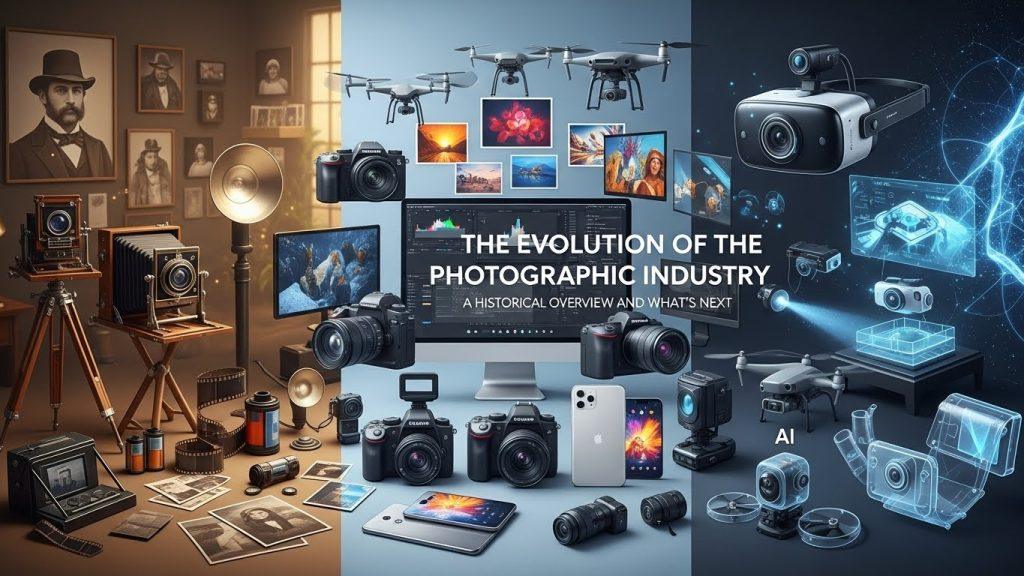
The photographic industry has undergone profound changes since its inception in the early 19th century. From the first grainy black and white images to today’s vibrant digital photography, this sector has continually pushed the boundaries of technology and artistry. This article provides a comprehensive overview of the evolution of photography, examining its historical milestones, technological advancements, and the future trends that are shaping the industry.
Early Beginnings: The Birth of Photography
The journey of photography began in the 1820s, when Joseph Nicéphore Niépce captured the first permanent photograph with a camera obscura. This groundbreaking achievement paved the way for Louis Daguerre’s invention of the daguerreotype in 1839. The daguerreotype, a process that involved silver-plated copper sheets and mercury vapor, marked the official birth of practical photography.
Despite its popularity, the daguerreotype had limitations, including long exposure times and the inability to reproduce images. The introduction of the calotype by William Henry Fox Talbot in the 1840s provided an alternative method using paper negatives, allowing for multiple copies of a single image.
The Rise of Film Photography
By the late 19th century, the photographic industry saw significant advancements with the introduction of roll film by George Eastman. Eastman’s Kodak camera, launched in 1888, revolutionized photography by making it accessible to the general public. The slogan “You press the button, we do the rest” highlighted the simplicity of capturing images, transforming photography from a professional endeavor into a popular hobby.
Film photography continued to evolve throughout the 20th century with innovations such as color film. Companies like Kodak and Fujifilm played pivotal roles in refining film technology, enabling photographers to capture more lifelike images. The introduction of 35mm film cameras further democratized photography, making it an integral part of everyday life.

Digital Photography: A New Era
The transition from film to digital photography marked a seismic shift in the industry. The 1980s and 1990s saw the emergence of digital cameras, which offered unprecedented convenience and flexibility. By the early 2000s, digital photography had become the dominant force, thanks to advancements in sensor technology and image processing.
Digital cameras allowed photographers to instantly review and edit their images, eliminating the need for film development. The rise of smartphones further accelerated this trend, as devices like the iPhone integrated high-quality cameras, making photography more accessible than ever before.
The Influence of Social Media
Social media platforms have transformed the way people engage with photography. Instagram, launched in 2010, became a cultural phenomenon, encouraging users to share their everyday moments with a global audience. This shift has led to the rise of influencers and content creators, whose visual storytelling has redefined the marketing landscape.
Photography’s role in social media has also driven the development of new tools and technologies, such as filters and editing apps, allowing users to enhance their images with ease. Platforms like Instagram have popularized trends such as the selfie, further embedding photography into modern culture.
Emerging Technologies: What’s Next?
The future of the photographic industry is being shaped by cutting-edge technologies that promise to further expand the possibilities of image-making. Artificial intelligence is playing an increasingly important role, with AI-powered cameras and editing software offering smarter, more intuitive ways to capture and enhance images.
Virtual reality and augmented reality are also poised to revolutionize photography, providing immersive experiences that blur the lines between the digital and physical worlds. These technologies are opening up new creative avenues for photographers, enabling them to create interactive and multidimensional content.
Sustainability in Photography
As the industry evolves, sustainability has become a crucial consideration. The environmental impact of traditional film photography, including the use of chemicals and non-recyclable materials, has prompted a shift towards more eco-friendly practices. Digital photography, while reducing some environmental impacts, still faces challenges such as e-waste and energy consumption.
Photographers and companies are increasingly prioritizing sustainable practices, from using renewable energy sources to recycling materials. This focus on sustainability is not only beneficial for the environment but also aligns with the values of a growing number of consumers who seek to support environmentally responsible businesses.
Conclusion: The Ever-Changing Landscape
The photographic industry has come a long way since its inception, continually adapting to new technologies and cultural shifts. As we look to the future, the possibilities for photography are boundless, with emerging technologies and a greater emphasis on sustainability guiding its evolution.
Whether through the lens of a traditional camera or the screen of a smartphone, photography remains a powerful tool for storytelling and self-expression. As the industry continues to innovate, it will undoubtedly open up new opportunities for creativity and connection in an increasingly digital world.
The Role of Education and Community
Education has always been a cornerstone of the photographic industry, facilitating the transfer of knowledge and skills to new generations of photographers. With the advent of online learning platforms, aspiring photographers now have unprecedented access to educational resources, tutorials, and workshops. Websites such as Udemy and Skillshare offer courses on everything from basic photography techniques to advanced post-processing, democratizing access to high-quality education.
Moreover, photography communities both online and offline play a critical role in nurturing talent and fostering innovation. Social media groups, forums, and local photography clubs provide platforms for photographers to share their work, receive feedback, and collaborate on projects. These communities are invaluable resources for both amateur and professional photographers, offering support and inspiration in an ever-evolving industry.
Challenges Facing the Photographic Industry
Despite its many advancements, the photographic industry faces several challenges. The rapid pace of technological change can be a double-edged sword, as photographers must continually adapt to new tools and trends. This constant evolution can be both exciting and overwhelming, requiring ongoing learning and adaptation.
Additionally, the proliferation of images in the digital age has led to concerns about copyright and intellectual property. Photographers must navigate complex legal landscapes to protect their work, while also dealing with issues related to image theft and unauthorized use. Industry organizations and advocacy groups are working to address these challenges, but they remain significant hurdles for many photographers.
The Impact of Global Events
Global events, such as the COVID-19 pandemic, have also had a profound impact on the photographic industry. The pandemic led to the cancellation of events, exhibitions, and shoots, forcing photographers to adapt to new realities. Many turned to virtual platforms to showcase their work and connect with audiences, highlighting the resilience and adaptability of the industry.
These events have also accelerated the trend towards remote work and digital collaboration, with photographers increasingly utilizing cloud-based tools for editing and file sharing. The ability to work from anywhere has opened up new opportunities for collaboration and creativity, even in challenging times.
Looking Ahead: The Future of Photography
As we look to the future, the photographic industry is poised for continued growth and innovation. The integration of new technologies, such as AI and AR, will undoubtedly lead to new creative possibilities and business models. Photographers who embrace these changes and continue to hone their skills will be well-positioned to thrive in this dynamic landscape.
Moreover, the industry’s growing focus on diversity and inclusion is set to bring new voices and perspectives to the forefront. As more people from different backgrounds are empowered to share their stories through photography, the industry will become richer and more vibrant, reflecting the diversity of the world itself.
In conclusion, the photographic industry has a storied past and a promising future. From its humble beginnings to its current status as a global cultural force, photography remains a vital and dynamic field. As technology continues to advance, and as photographers continue to innovate and inspire, the possibilities for the future are truly limitless.
The Economic Impact of Photography
The photographic industry is not only a cultural force but also a significant economic contributor. Photography services, which include wedding photography, portrait sessions, commercial shoots, and more, generate substantial revenue globally. Additionally, the sale of photographic equipment and accessories supports a robust market that caters to both hobbyists and professionals.
Emerging trends such as stock photography and digital marketplaces have further expanded the economic impact of photography. Platforms like Shutterstock and Getty Images allow photographers to monetize their work by licensing images for commercial use. This model not only provides income opportunities for photographers but also offers businesses and media outlets access to a diverse array of images for their projects.
Technological Innovation and Industry Growth
Technological innovation remains at the heart of the photographic industry’s growth. The development of mirrorless cameras, which offer advantages in terms of size, weight, and performance over traditional DSLR cameras, reflects ongoing advancements in camera design. These innovations are driving consumer interest and expanding the market for photographic equipment.
Furthermore, advancements in editing software and applications have transformed post-production processes. Software like Adobe Photoshop and Lightroom continue to evolve, providing photographers with sophisticated tools to enhance and manipulate images. As a result, photographers can push creative boundaries and produce high-quality work that meets the demands of modern audiences.
Environmental and Ethical Considerations
The photographic industry is increasingly aware of its environmental and ethical responsibilities. As concerns about climate change and sustainability grow, photographers and companies are seeking ways to reduce their environmental footprint. From using eco-friendly materials in product manufacturing to implementing recycling programs, the industry is taking steps to promote sustainability.
Ethically, photographers are also confronting issues related to representation and consent. The power of photography to shape narratives and influence public perception places a responsibility on photographers to approach their work with sensitivity and integrity. Organizations and educational institutions are emphasizing the importance of ethical practices in photography, encouraging professionals to uphold standards of respect and accountability.
Conclusion: Embracing Change and Innovation
The photographic industry stands at the intersection of art, technology, and commerce. Its rich history is marked by continuous innovation and adaptation, and its future promises even greater possibilities. As technology continues to advance, photographers will have more tools at their disposal to capture and share the world around them.
By embracing change and remaining open to new ideas, the industry will continue to thrive. Photographers who are willing to explore new technologies, pursue sustainable practices, and engage with diverse communities will shape the future of photography, ensuring its place as a vital and dynamic form of expression in an ever-evolving world.
About the Author