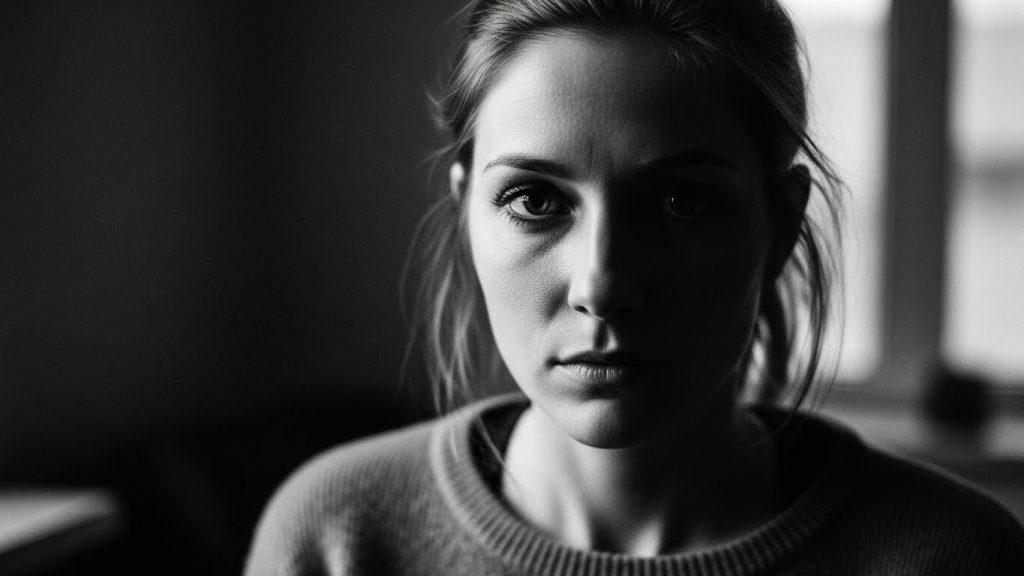
The Art of Perception: Using Artistic Photography to Capture Emotion
Photography, in its essence, is an art form that transcends mere representation. It is a window to the soul, a medium through which emotions are expressed and perceived. Artistic photography, in particular, delves deep into this realm of emotional capture, offering viewers a glimpse into the intangible world of feelings and sensations. In this comprehensive exploration, we will delve into the art of perception and how artistic photography can be harnessed to capture raw, unfiltered emotion.
Understanding Artistic Photography
Artistic photography is not confined to technical perfection or conventional beauty. Instead, it emphasizes creativity, expression, and the conveyance of emotion. Unlike traditional photography, which often focuses on documenting reality, artistic photography seeks to interpret it. This genre invites photographers to play with elements such as composition, light, color, and texture to evoke specific emotions and moods.
One might ask, what distinguishes an artistic photograph from a standard one? The answer lies in its ability to provoke thought and stir emotions. An artistic photograph is not merely seen but felt. It engages the viewer on a deeper level, encouraging them to ponder and explore their own emotions and interpretations.
The Role of Composition in Emotional Expression
Composition is a foundational element of artistic photography that significantly impacts emotional expression. The way a photograph is composed can guide the viewer’s eye, create a sense of balance or tension, and evoke specific emotions. For instance, using leading lines can draw attention to a particular subject, creating a sense of focus and emphasis.
Moreover, the rule of thirds, a classic compositional technique, can be employed to create dynamic and engaging images. By placing the subject off-center, photographers can create a sense of movement and energy, which can evoke feelings of excitement or anticipation. Conversely, a centered composition can convey stability, calmness, or even isolation, depending on the context and elements present in the photograph.
The Influence of Light and Shadow

Light is a powerful tool in the hands of an artistic photographer. It can transform a mundane scene into a masterpiece, highlighting details, creating depth, and evoking a range of emotions. The quality of light—whether soft and diffused or harsh and direct—plays a crucial role in setting the mood of a photograph.
Consider the use of natural lighting to evoke warmth and nostalgia. The golden light of sunrise or sunset can infuse a photograph with a sense of tranquility and peace. On the other hand, dramatic lighting, with stark contrasts between light and shadow, can create tension and drama, evoking emotions such as suspense or intrigue.
Additionally, shadows can be used creatively to add depth and dimension to a photograph. They can conceal as much as they reveal, adding an element of mystery and inviting viewers to delve deeper into the narrative of the image.
Color: A Powerful Emotional Agent
Colors carry psychological and emotional connotations that can greatly impact the viewer’s perception of a photograph. Warm colors like red, orange, and yellow often evoke feelings of warmth, passion, and energy. Conversely, cool colors such as blue and green can convey calmness, serenity, and melancholy.
Artistic photographers often use color to enhance the emotional impact of their images. For example, a predominantly blue-toned photograph might evoke a sense of tranquility or sadness, while a vibrant, colorful image can convey joy and celebration. The strategic use of color allows photographers to tap into the viewer’s subconscious, eliciting emotional responses that resonate on a deeper level.
The Narrative Power of Black and White Photography
While color is a powerful tool, black and white photography holds its own unique place in the realm of artistic expression. Stripping an image of color emphasizes form, texture, and contrast, allowing the viewer to focus on the subject matter and composition without the distraction of color.
Black and white photography has a timeless quality that can evoke a sense of nostalgia and classic beauty. It often emphasizes the emotional and narrative aspects of an image, highlighting the interplay of light and shadow and the subtleties of expression. This monochromatic approach encourages viewers to engage with the photograph on an emotional level, inviting them to explore the deeper meanings and stories hidden within the image.
Capturing Emotion Through Portraiture
Portraiture is one of the most potent forms of artistic photography for capturing emotion. A well-executed portrait can reveal the essence of a person, capturing their personality, mood, and emotions in a single frame. The key to successful portraiture lies in the ability to connect with the subject and create an atmosphere of trust and comfort.
One effective technique in portrait photography is to focus on the eyes, often described as the windows to the soul. The eyes can convey a wealth of emotions, from joy and excitement to sadness and introspection. By capturing the subject’s gaze, photographers can create an intimate connection between the viewer and the portrait, evoking empathy and understanding.
Moreover, the use of body language and expression plays a crucial role in conveying emotion through portraiture. Subtle gestures, such as a smile, a furrowed brow, or a gentle tilt of the head, can speak volumes, adding depth and emotion to the image.
Experimentation and Creativity in Artistic Photography
Artistic photography thrives on experimentation and creativity. Photographers are encouraged to push boundaries, explore new techniques, and challenge conventional norms to create unique and emotionally resonant images. This spirit of experimentation can lead to the discovery of new perspectives and innovative approaches to capturing emotion.
For instance, multiple exposure techniques can be employed to create dreamlike, surreal images that convey complex emotional narratives. Long exposure photography can capture the passage of time, creating ethereal, otherworldly images that evoke a sense of wonder and introspection. These techniques, among others, allow photographers to break free from the constraints of reality and explore the limitless possibilities of artistic expression.
Conclusion: The Timeless Impact of Artistic Photography
Artistic photography is a powerful medium for capturing and conveying emotion. Through thoughtful composition, the strategic use of light and color, and the exploration of creative techniques, photographers can create images that resonate deeply with viewers, evoking a wide range of emotions and inviting introspection.
In a world inundated with images, artistic photography stands out for its ability to transcend the ordinary and evoke the extraordinary. It is an art form that invites us to see the world through a different lens, to explore the depths of human emotion, and to connect with the stories and experiences of others. Whether through vibrant color, stark black and white, or the subtle interplay of light and shadow, artistic photography continues to captivate and inspire, leaving a lasting impact on both the creator and the viewer.
As we continue to explore the art of perception, let us embrace the transformative power of photography to capture emotion, celebrate the beauty of the world around us, and share the stories that define our shared human experience.
The Emotional Journey: From Photographer to Viewer
The journey of capturing emotion through artistic photography begins long before the shutter is pressed. It involves a deep understanding and empathy from the photographer, who must connect with their subject and vision to authentically capture the intended emotion. This empathetic connection is crucial, as it ensures that the emotion conveyed in the photograph is genuine and resonates with viewers.
For the photographer, this journey often starts with introspection. Understanding one’s own emotional responses and artistic motivations can guide the creative process, enabling the photographer to infuse personal insight into their work. This self-awareness becomes the foundation upon which emotional narratives are built, allowing photographers to express complex emotions that resonate universally.
Once the photograph is complete, the emotional journey continues with the viewer. Each person experiences art through the lens of their own life experiences, which can lead to diverse interpretations and emotional reactions. An image that evokes joy in one viewer might stir feelings of nostalgia or melancholy in another. This subjective experience is one of the unique aspects of artistic photography, where the final image serves as a dialog between the creator and the audience.
The Role of Technology in Modern Artistic Photography
In the digital age, technology plays an increasingly pivotal role in artistic photography. Advances in camera technology, editing software, and online platforms have expanded the possibilities for photographers to capture and share emotion-driven images. High-resolution sensors, for instance, allow for greater detail and clarity, enhancing the emotional impact of a photograph by bringing out subtle nuances in expression and texture.
Editing software such as Adobe Photoshop and Lightroom provides photographers with powerful tools to refine their images and further enhance their emotional impact. Through careful adjustments to exposure, contrast, and color balance, photographers can accentuate the mood of their images, ensuring that the final result aligns with their artistic vision.
Moreover, the internet and social media platforms offer photographers unprecedented access to global audiences. By sharing their work online, photographers can connect with viewers worldwide, allowing their emotional narratives to transcend geographical and cultural boundaries. This connectivity fosters a global community of artists and viewers, where diverse perspectives and interpretations enrich the collective experience of artistic photography.
Educational Pathways and Resources for Aspiring Photographers
For those interested in exploring the world of artistic photography, there are numerous educational pathways and resources available to develop skills and hone one’s craft. Many universities and art schools offer specialized courses and degrees in photography, providing students with a comprehensive understanding of both technical skills and artistic principles.
Online resources also offer valuable opportunities for learning and growth. Websites like Khan Academy provide free access to art history and photography courses, enabling aspiring photographers to gain insights into the evolution of photographic art and techniques. Additionally, platforms like YouTube host a plethora of tutorials and workshops, where experienced photographers share their knowledge and expertise with a global audience.
Participating in photography workshops and joining photography clubs or communities can also be beneficial. These environments foster collaboration and feedback, encouraging photographers to experiment with new techniques and engage in constructive critique, ultimately leading to the refinement of their artistic style and emotional expression.
Challenges and Opportunities in Artistic Photography
While artistic photography offers boundless creative opportunities, it also presents unique challenges. One of the primary challenges is finding one’s artistic voice in a saturated market. With millions of images shared online every day, standing out requires a distinct perspective and an authentic approach to capturing emotion.
Another challenge is balancing artistic expression with commercial viability. Many photographers struggle to maintain their artistic integrity while meeting the demands of the market. However, this challenge also presents an opportunity for photographers to innovate and find unique ways to monetize their art, whether through selling prints, offering workshops, or collaborating with brands that align with their artistic vision.
Despite these challenges, the world of artistic photography is ripe with opportunities. As technology continues to evolve, new tools and platforms emerge, offering photographers exciting ways to experiment and connect with audiences. Additionally, the growing appreciation for visual storytelling in media, advertising, and journalism highlights the enduring relevance and impact of emotional photography.
The Future of Artistic Photography
As we look to the future of artistic photography, it is clear that the genre will continue to evolve and adapt to changing cultural, technological, and environmental landscapes. Photographers will be challenged to address pressing global issues such as climate change, social justice, and mental health, using their art to spark conversation and inspire change.
Emerging technologies such as virtual reality and augmented reality offer exciting possibilities for immersive and interactive experiences, allowing photographers to create dynamic, multi-sensory environments that engage viewers on an unprecedented level. These innovations hold the potential to redefine how we perceive and interact with photographic art, expanding the boundaries of emotional storytelling.
Ultimately, the future of artistic photography will be shaped by the creativity, empathy, and vision of photographers who continue to push the limits of the medium. By embracing new challenges and opportunities, these artists will ensure that photography remains a powerful and emotive form of artistic expression, capable of touching hearts and minds for generations to come.
About the Author