Navigating the World of Photography: Essential Tips for Beginners
Photography is an art form that allows us to capture moments in time and share our perspective with the world. For beginners, the world of photography can seem daunting with its technical jargon and plethora of equipment. This guide aims to demystify photography by providing essential tips for those just starting out on their photographic journey.
Understanding Your Equipment
Before diving into photography, it is crucial to familiarize yourself with your camera. Whether you own a Canon DSLR or a smartphone camera, understanding the basic functions such as aperture, shutter speed, and ISO can significantly enhance your photography skills.
Aperture controls the amount of light entering the camera, affecting the depth of field. A low aperture (f/2.8) results in a blurred background, ideal for portraits, while a high aperture (f/16) keeps the entire scene in focus, perfect for landscapes.
Shutter Speed determines how long the camera’s shutter remains open. A fast shutter speed (1/1000s) can freeze action, while a slow shutter speed (1/10s) may create motion blur, useful for capturing movement.
ISO measures the camera’s sensitivity to light. A low ISO (100) is best for bright conditions, while a high ISO (3200) is beneficial in low light, though it may introduce noise into the image.
Mastering Composition
Composition is the arrangement of elements within a photograph. Understanding composition techniques can transform a mundane photo into an extraordinary one.
One fundamental principle is the Rule of Thirds. By dividing your image into a 3×3 grid and placing the subject along these lines or intersections, you can create visually appealing and balanced photos.

Another technique is leading lines, which guide the viewer’s eye through the photograph, adding depth and interest. Roads, rivers, and architectural features often serve as natural leading lines.
Additionally, framing involves using elements within the scene to create a ‘frame’ around your subject, drawing attention to it and adding context to the photo.
Utilizing Natural Light
Lighting is a critical aspect of photography. Natural light, in particular, can vastly improve the quality of your photos when used effectively.
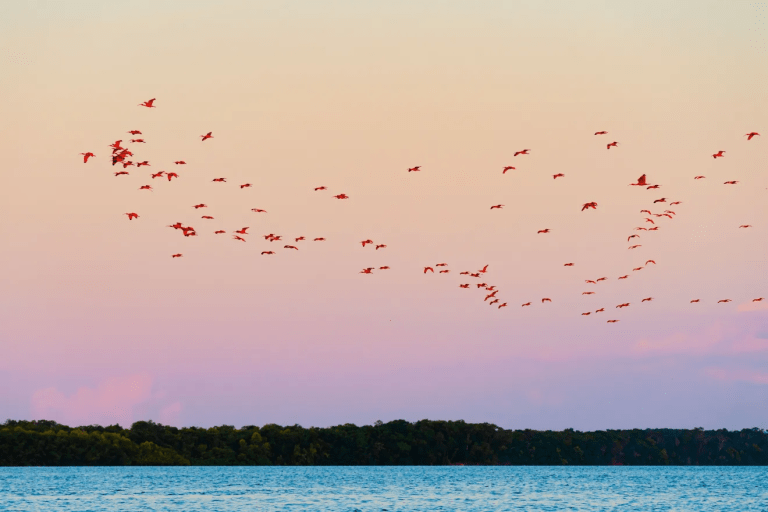
The Golden Hour, the period shortly after sunrise and before sunset, provides soft, warm lighting that enhances colors and adds a magical quality to photos. In contrast, the midday sun can create harsh shadows, so it may be beneficial to shoot in shaded areas during this time.
Experimenting with backlighting can also yield striking results. By positioning the light source behind your subject, you can create silhouettes or a halo effect, adding drama and intrigue to your images.
Post-Processing Basics
Post-processing is the final step in photography, allowing you to refine and enhance your images. Beginners can start with basic adjustments using software like Adobe Lightroom or free alternatives such as GIMP.
Simple edits like adjusting exposure, contrast, and saturation can bring out details and correct any imbalances. Cropping can improve composition by removing distracting elements or emphasizing the subject.
Additionally, learning to use filters and presets can give your photos a consistent look and feel, which is especially useful if you intend to build a portfolio or social media presence.
Finding Your Style
As you gain experience and confidence, you may begin to develop a unique style. This personal style is a reflection of your interests, preferences, and the way you see the world.
Explore different genres of photography, such as portrait, landscape, street, or wildlife photography, to discover what resonates with you. Experimenting with various techniques and subjects will help you refine your skills and identify the elements that define your style.
Remember, photography is a creative pursuit, so don’t be afraid to break the rules and try new things. The more you shoot, the more your style will evolve.
Takeaways
Embarking on a journey into photography can be both exciting and challenging. By understanding your equipment, mastering composition, utilizing natural light, and engaging in post-processing, you can create stunning photographs that capture your unique perspective.
Remember that photography is a continuous learning process. Each photo you take is an opportunity to improve and express yourself creatively. Embrace the challenges, experiment with different techniques, and most importantly, enjoy the process of capturing the world through your lens.
Building a Photography Community
One of the most rewarding aspects of photography is connecting with fellow enthusiasts and professionals. Building a community not only provides inspiration but also offers opportunities for feedback and collaboration.
Consider joining local photography clubs or online forums where you can share your work and discuss techniques. Platforms like Flickr and Instagram are excellent for showcasing your portfolio and interacting with a global audience. Participate in photography challenges or contests to push your creative boundaries and gain recognition.
Engaging with a community can also lead to unexpected opportunities, such as collaborative projects or exhibitions, further enriching your photographic journey.
Investing in Continued Learning
Photography is a field that continually evolves with new technologies and trends. Staying informed and continually learning is crucial to honing your craft.
Workshops and online courses can provide valuable insights into advanced techniques and industry advancements. Websites like Udemy offer a wide range of courses tailored to different skill levels and interests.
Reading books by renowned photographers or subscribing to photography magazines can also expose you to different styles and methodologies, broadening your perspective and enhancing your skills.
Exploring Gear Upgrades
As you progress in your photography journey, you may find that your current equipment limits your creative potential. Upgrading your gear can open new possibilities and improve the quality of your work.
When considering a camera upgrade, assess your needs and budget. For instance, if you’re interested in wildlife photography, investing in a camera with faster autofocus and higher frame rates may be beneficial. Alternatively, if low-light performance is crucial, a full-frame camera could be worthwhile.
Lenses often have a more significant impact on image quality than the camera body. Investing in a versatile lens, such as a 50mm prime or a 70-200mm zoom lens, can dramatically enhance your capabilities and versatility.
Understanding the Importance of Patience and Persistence
Photography requires patience and persistence, especially when striving for perfection. It’s common to take numerous shots before capturing the ideal image. Don’t be discouraged by failures; instead, view them as learning experiences.
Practice regularly, and be open to experimentation. Often, the most memorable photographs are the result of unexpected moments or unconventional techniques.
Remember that every photographer has their unique journey. Celebrate your progress, and remain curious and passionate about the art of photography.
Takeaways
Becoming proficient in photography takes time, dedication, and an eagerness to learn. By understanding the fundamental aspects of photography, engaging with a community, and investing in your skills and equipment, you can capture images that resonate and tell compelling stories.
Photography is not just about capturing images but about expressing your vision and emotions. As you navigate the world of photography, let your passion guide you in creating art that inspires and captivates.
The Role of Storytelling in Photography
At its core, photography is a form of storytelling. Each photograph has the potential to convey a narrative, evoke emotions, and connect with viewers on a personal level. Understanding how to craft a story through your images can elevate your work from mere snapshots to compelling visual tales.
Consider the elements within your frame—subjects, colors, lighting, and composition—all of which contribute to the narrative. Ask yourself what story you want to tell and how each component of the image supports that story. A photograph of a serene landscape might convey peace and solitude, while an image capturing an energetic street scene could tell a story of hustle and vibrancy.
Challenge yourself to create series or projects centered around a theme or concept. This practice not only improves your storytelling skills but also helps in developing a cohesive body of work that can be more impactful than individual images.
Embracing Criticism and Feedback
Receiving feedback is an essential part of growing as a photographer. Constructive criticism can provide valuable insights into your work, highlighting strengths and areas for improvement.
Join critique groups or seek feedback from experienced photographers who can offer objective perspectives. Approach criticism with an open mind and a willingness to learn. Remember, the goal is to refine your skills and evolve as an artist.
While feedback is valuable, it’s also important to trust your instincts and stay true to your vision. Not all advice will resonate with your style or goals, and that’s perfectly okay.
Protecting Your Work
As you develop your body of work, consider how you can safeguard your images. Copyright protection is crucial for photographers, ensuring that your work isn’t used without permission or proper credit.
Learn about the basics of copyright law and consider registering your images, especially if you plan to sell them or use them professionally. Websites like the U.S. Copyright Office provide detailed information on how to protect your work legally.
Watermarking your images, especially when sharing online, can deter unauthorized use, though it should be done tastefully to avoid detracting from the image itself.
The Joy of Sharing Your Work
Photography is not just a solitary pursuit; sharing your work can bring immense joy and fulfillment. Whether through exhibitions, social media, or personal websites, sharing allows you to connect with others and receive appreciation for your efforts.
Engage with your audience by sharing the stories behind your images. Provide context, describe your creative process, and invite viewers to share their interpretations. This interaction fosters a deeper connection with your audience and enriches the experience for both you and your viewers.
Consider creating a personal website or blog to showcase your portfolio. Platforms like Wix offer user-friendly tools to build professional-looking sites that can serve as a central hub for your work.
Takeaways
The journey through the world of photography is one of continuous exploration and discovery. By embracing the technical, creative, and communal aspects of photography, beginners can build a solid foundation that allows them to express their unique vision and share their stories with the world.
Remember that photography is an art, and like any art form, it thrives on passion, innovation, and a willingness to push boundaries. As you grow as a photographer, let your curiosity and love for the craft guide you in capturing the beauty and complexity of the world around you.
About the Author