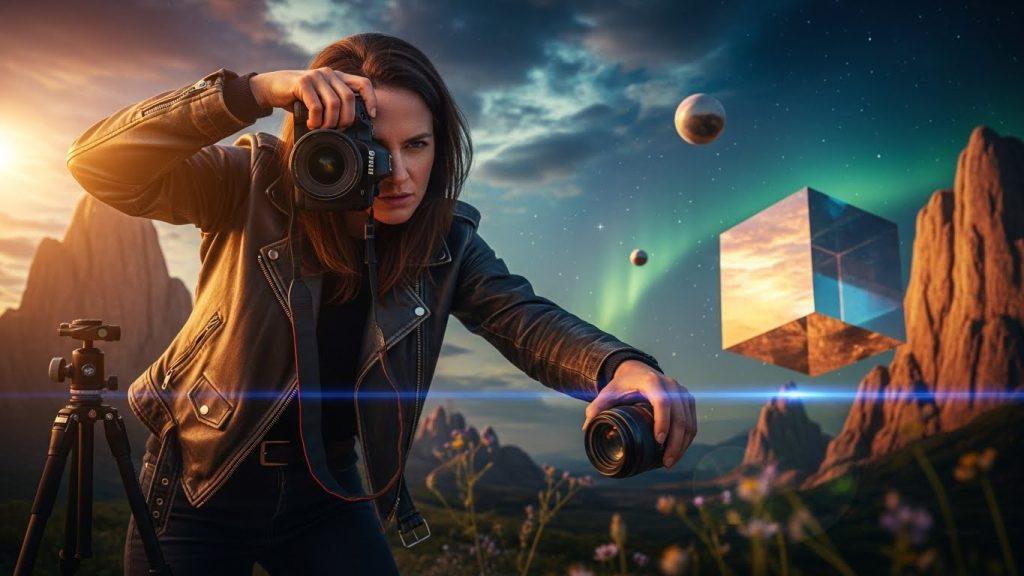
Exploring the Boundaries: The Power and Beauty of Artistic Photography
Artistic photography is more than just capturing images; it is a powerful medium that expresses creativity, evokes emotions, and tells stories. With the advent of digital technology and ever-evolving artistic techniques, the boundaries of artistic photography continue to expand, offering endless possibilities for photographers and viewers alike. In this blog post, we will delve into the dynamic world of artistic photography and explore its power and beauty.
The Essence of Artistic Photography
At its core, artistic photography is about conveying a message or an emotion through a visual narrative. Unlike traditional photography, which focuses on documenting reality, artistic photography allows for more creative freedom. Photographers can manipulate elements such as light, composition, and color to craft images that transcend the ordinary.
In essence, artistic photography blurs the lines between reality and imagination, providing a platform for photographers to experiment and push their creative boundaries. This art form is rooted in the photographer’s vision, offering an intimate glimpse into their perspective of the world.
Techniques in Artistic Photography

Artistic photographers utilize a variety of techniques to bring their visions to life. These techniques often involve manipulating the camera settings or using post-processing tools to create unique effects. Some popular techniques include:
- Long Exposure: This technique involves using a slow shutter speed to capture movement in a still image. It can create a sense of motion and add a surreal quality to the photograph.
- Double Exposure: By superimposing two images, photographers can evoke complex emotions and meanings, often creating dreamlike or symbolic visuals.
- Macro Photography: This approach magnifies small subjects, revealing intricate details and textures that are often overlooked in the natural world.
- Black and White Photography: By removing color, photographers can focus on contrasts, shapes, and textures, creating striking images that highlight the essence of the subject.
Each of these techniques allows photographers to explore different facets of artistic expression and enhance the emotional impact of their work.
The Role of Technology in Expanding Artistic Photography
Technological advancements have significantly influenced the evolution of artistic photography. Digital cameras, editing software, and social media platforms have empowered photographers to reach wider audiences and experiment with new techniques. For instance, Adobe Photoshop and Lightroom offer powerful tools for editing and enhancing images, allowing photographers to push the boundaries of their creativity.
Moreover, social media platforms like Instagram have become vital for sharing and discovering artistic photography. These platforms provide a space for photographers to showcase their work, connect with other artists, and gain inspiration from a global community.
The Emotional Impact of Artistic Photography
Artistic photography has the power to evoke deep emotional responses in viewers. By carefully selecting elements such as composition, lighting, and subject matter, photographers can create images that resonate on a personal level. This emotional connection is often what distinguishes artistic photography from other art forms.
For example, a serene landscape photograph can evoke feelings of peace and tranquility, while a portrait with intense emotions can provoke empathy and introspection. The ability to convey such a wide range of emotions is what makes artistic photography a compelling and influential medium.
Artistic Photography and Storytelling
One of the most powerful aspects of artistic photography is its ability to tell stories. Each photograph is a snapshot of a moment, a narrative captured in time. Photographers often use their work to comment on social issues, explore cultural narratives, or share personal stories.
For instance, Magnum Photos is renowned for its documentary photography that captures significant historical moments and diverse cultural experiences. Artistic photography can transcend language barriers, allowing stories to be told and understood universally.
Challenges and Opportunities for Artistic Photographers
While the field of artistic photography offers endless possibilities, it also presents certain challenges. The accessibility of digital technology means that the market is saturated with images, making it difficult for photographers to stand out. To succeed, artists must hone their unique vision and develop a distinctive style that sets them apart.
Nevertheless, the democratization of photography also presents opportunities. Photographers can build their brand and reach audiences without the need for traditional gatekeepers. This shift has allowed a diverse range of voices to emerge, enriching the world of artistic photography with new perspectives.
The Future of Artistic Photography
As technology continues to evolve, the future of artistic photography looks promising. Innovations such as artificial intelligence and virtual reality offer new tools and platforms for photographers to explore. These technologies have the potential to transform how we create and experience images, opening up new avenues for artistic expression.
Moreover, the growing awareness of social and environmental issues is likely to influence the themes and narratives explored in artistic photography. Photographers may increasingly use their work to advocate for change and bring attention to pressing global issues.
Conclusion: The Ever-Evolving Art Form
Artistic photography is a dynamic and ever-evolving art form that continues to captivate and inspire. Its ability to convey emotions, tell stories, and push the boundaries of creativity makes it a powerful medium for expression. As we move forward, the fusion of technology and artistry will undoubtedly shape the future of this captivating art form.
Whether you are an aspiring photographer or an enthusiast, the world of artistic photography offers a rich tapestry of creativity and inspiration. By exploring its boundaries, we can appreciate the beauty and power that lies within every captured moment.
Inspiration and Influences in Artistic Photography
Artistic photographers draw inspiration from a myriad of sources, ranging from the natural world to other art forms such as painting, film, and literature. This cross-pollination of ideas enriches their work, allowing them to create images that are not only visually striking but also intellectually stimulating.
For example, the works of modern art movements like Surrealism and Impressionism have had a profound influence on artistic photography. Surrealism’s emphasis on dreamlike visuals and the subconscious mind can be seen in many contemporary photographs that challenge perceptions of reality.
Similarly, the Impressionist focus on light and color has inspired photographers to experiment with capturing fleeting moments and the play of light in their images. Photographers often study the techniques and themes of renowned painters to inform their own creative processes.
Ethics and Responsibility in Artistic Photography
With the power to shape narratives and influence perceptions comes a responsibility for ethical practice in artistic photography. Photographers must navigate the fine line between artistic expression and respect for their subjects’ privacy and dignity. This is particularly important in genres such as street photography or photojournalism, where individuals may be unknowingly captured in candid moments.
Photographers are encouraged to engage with their subjects and communities ethically, ensuring that their work does not exploit or misrepresent them. This ethical consideration is crucial in maintaining the integrity of the art form and fostering trust between artists and their audiences.
Educational Pathways and Resources for Aspiring Photographers
For those interested in pursuing artistic photography, there are numerous educational pathways and resources available. Many universities and art schools offer specialized programs in photography that cover both technical skills and artistic concepts. These programs often include courses in digital imaging, studio lighting, and art history, providing a comprehensive foundation for aspiring photographers.
In addition to formal education, online platforms such as Coursera and Skillshare offer a wide range of courses and workshops that cater to different skill levels and interests. These platforms provide flexible learning opportunities that can be tailored to individual needs, making them accessible to a global audience.
Furthermore, participating in photography clubs, attending workshops, and engaging with online communities can offer valuable networking opportunities and peer feedback, which are crucial for artistic growth and development.
Celebrating Diversity in Artistic Photography
Artistic photography is a celebration of diversity, both in terms of the subjects depicted and the artists behind the lens. Photographers from diverse backgrounds bring unique perspectives to the art form, enriching it with varied cultural narratives and experiences. This diversity fosters a more inclusive and representative artistic landscape, allowing a broader range of stories to be told.
Initiatives that promote diversity in artistic photography are essential in ensuring that underrepresented voices are heard and celebrated. Organizations and exhibitions that focus on elevating the work of photographers from marginalized communities play a vital role in achieving this goal.
Final Thoughts on the Journey of Artistic Photography
The journey of artistic photography is one of continual exploration and innovation. As photographers push the boundaries of what is possible, they contribute to a vibrant and evolving art form that reflects the complexities and beauty of the world around us. By embracing new technologies, honoring ethical practices, and celebrating diversity, artistic photography will continue to thrive and inspire future generations.
Whether you view yourself as a creator or an admirer of artistic photography, there is no denying its profound impact and enduring allure. As you engage with this art form, may you find inspiration, connection, and a deeper appreciation for the stories that unfold through the lens.
About the Author