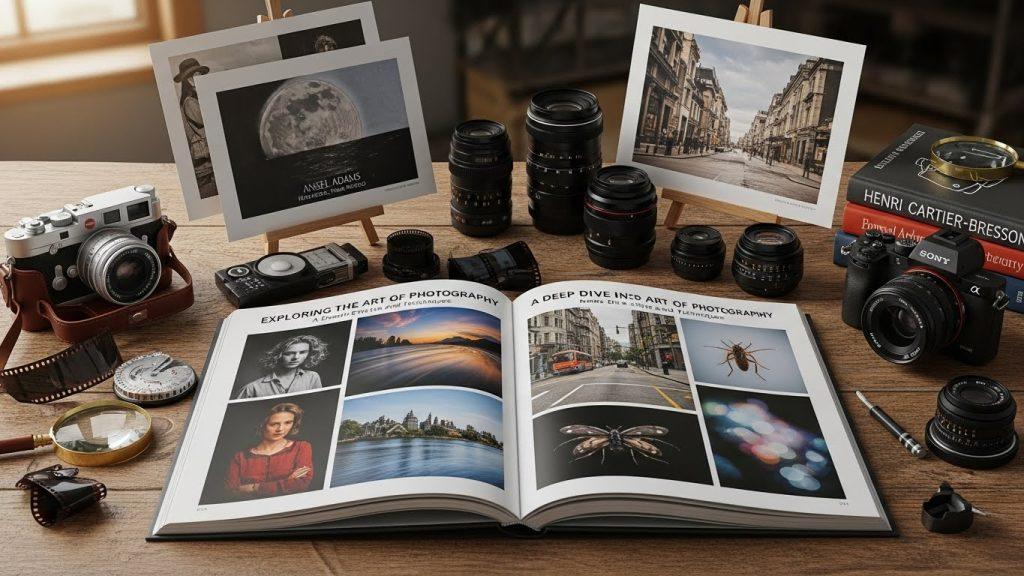
Exploring the Art of Photography: A Deep Dive into Iconic Styles and Techniques
Photography has journeyed through a myriad of transformations since its inception. This visual art form has not only captured moments in time but also influenced the way we perceive the world. In this comprehensive exploration, we delve into the iconic styles and techniques that have shaped photography into the powerful medium it is today.
The Evolution of Photography
Understanding the evolution of photography is crucial to appreciating its art. From its beginnings in the early 19th century with the daguerreotype process to the digital revolution, photography has undergone significant changes.
The daguerreotype, invented by Louis Daguerre in 1839, was a revolutionary technique that produced images on silver-plated copper. This was followed by the calotype, introduced by William Henry Fox Talbot, which used paper coated with silver iodide. These early methods laid the groundwork for future innovations in capturing images.
Iconic Styles in Photography
As photography evolved, distinct styles emerged, each with unique characteristics and influences. Here, we explore some of the most iconic styles that have left an indelible mark on the art of photography.
Documentary Photography
Documentary photography aims to chronicle events or environments in a truthful manner. It often serves as a powerful tool for social change. One of the most influential figures in this genre is Dorothea Lange, whose work during the Great Depression highlighted the plight of American farmers. Her poignant images, such as “Migrant Mother,” are testaments to the power of photography in storytelling.

Portrait Photography
Portrait photography focuses on capturing the essence of a person or group. Renowned photographers like Annie Leibovitz have elevated this genre with their unique ability to portray the personality and mood of their subjects. Leibovitz’s portraits of celebrities often reveal intimate aspects of their character, making her one of the most revered portrait photographers of our time.
Street Photography
Street photography captures the essence of everyday life in public spaces. It thrives on spontaneity and the ability to find beauty in ordinary moments. This genre gained prominence with the work of Henri Cartier-Bresson, who coined the term “the decisive moment” to describe the opportune time to capture a fleeting scene.
Fine Art Photography
Fine art photography is characterized by the photographer’s artistic vision and creative expression. Unlike other genres, it often focuses on aesthetics and conceptual ideas. Cindy Sherman and her series of self-portraits challenge societal norms and explore identity, making her a pivotal figure in this genre.
Techniques That Define the Craft
Photography is not just about the camera but also the techniques that bring images to life. Mastery of these techniques can transform a simple photograph into a work of art.
Composition
Composition is the arrangement of elements within a photograph. Techniques such as the rule of thirds, leading lines, and framing are essential for creating balanced and engaging images. The rule of thirds, for example, involves dividing the image into nine equal parts and placing the subject at the intersection points, creating a more dynamic composition.
Lighting
Lighting is a critical component of photography, influencing the mood and tone of an image. Natural light, artificial light, and the use of reflectors and diffusers can dramatically alter the appearance of a photograph. Understanding the qualities of light, such as intensity, direction, and color, enables photographers to create compelling imagery.
Post-Processing
In the digital age, post-processing plays a significant role in photography. Software like Adobe Photoshop and Lightroom allow photographers to enhance their images through color correction, retouching, and other editing techniques. However, it is crucial to maintain the integrity of the original image to avoid over-manipulation.
The Impact of Digital Technology
The advent of digital technology has revolutionized photography, making it more accessible and versatile. Digital cameras, smartphones, and editing software have democratized the art form, allowing anyone with a camera to express their creativity.
While digital photography offers numerous advantages, such as instant feedback and unlimited storage, it also presents challenges. The ease of taking and sharing photographs can lead to an oversaturation of images, making it difficult to stand out in a sea of content.
The Role of Photography in Society
Photography plays a crucial role in shaping cultural and social narratives. It has the power to influence public opinion, document history, and bring attention to pressing issues. The work of James Nachtwey, for instance, highlights the atrocities of war and human suffering, prompting viewers to reflect on the consequences of conflict.
Moreover, photography serves as a tool for personal expression, allowing individuals to share their unique perspectives and experiences. In a world inundated with visual media, photography remains a powerful means of communication and connection.
Takeaways
The art of photography is a dynamic and ever-evolving field that continues to captivate and inspire. From its historical roots to its modern-day applications, photography encompasses a rich tapestry of styles and techniques. By exploring the diverse facets of this art form, we gain a deeper understanding of its impact and significance in our lives.
Whether through the lens of a seasoned professional or an amateur enthusiast, photography offers limitless possibilities for creativity and storytelling. As we continue to explore and innovate, the future of photography holds exciting potential for new discoveries and artistic expression.
The Future of Photography
As technology continues to advance at an exponential rate, the future of photography is poised for remarkable transformations. Emerging technologies such as artificial intelligence, virtual reality, and computational photography are already beginning to redefine the boundaries of what is possible.
Artificial Intelligence and Machine Learning
Artificial intelligence (AI) and machine learning are significantly impacting the way images are captured and processed. AI algorithms can now enhance photo quality, suggest optimal compositions, and even generate photographic content autonomously. This technology allows photographers to focus more on creativity and less on technical adjustments.
Moreover, AI-driven tools are revolutionizing the way we organize and share images. With advanced facial recognition and tagging capabilities, photographers can efficiently manage vast collections of photos, making it easier to retrieve specific images and streamline workflows.
Virtual and Augmented Reality
Virtual reality (VR) and augmented reality (AR) are opening new dimensions in the realm of photography. VR allows photographers to create immersive 360-degree environments that viewers can explore, offering a more interactive experience than traditional photographs. Meanwhile, AR enhances reality by overlaying digital information onto the physical world, expanding the possibilities for creative expression.
These technologies are particularly promising for fields such as real estate, tourism, and education, where immersive experiences can significantly enhance storytelling and audience engagement.
Computational Photography
Computational photography is a rapidly growing field that leverages software to enhance photographic capabilities. Techniques such as HDR (High Dynamic Range), panorama stitching, and focus stacking allow photographers to capture scenes with greater detail and accuracy than ever before.
Smartphones have become powerful tools in this regard, with advanced computational photography features embedded in their cameras. This trend democratizes photography, enabling more people to produce high-quality images with minimal equipment.
Photography as a Tool for Social Change
Throughout history, photography has been a catalyst for social change, shining a light on injustice and inspiring action. In today’s digital age, the ability to instantly share images worldwide magnifies this potential.
Photographers like Sebastião Salgado have used their work to raise awareness about environmental and humanitarian issues. Salgado’s “Genesis” project, for instance, captures pristine landscapes and indigenous cultures, emphasizing the need for conservation and respect for nature.
Social media platforms also play a crucial role in amplifying the impact of photography. Activists and photojournalists can distribute their work to a global audience, mobilizing support for causes and fostering a sense of global solidarity.
The Importance of Ethical Photography
As photographers wield the power to influence perceptions and narratives, ethical considerations become paramount. Responsible photography involves respecting the dignity and rights of subjects, obtaining consent, and accurately representing the context of the images.
Ethical photography is especially vital in sensitive situations, such as documenting conflict, poverty, or vulnerable communities. Photographers must navigate the delicate balance between raising awareness and exploiting their subjects’ circumstances.
Organizations like the National Press Photographers Association provide guidelines and codes of ethics to help photographers uphold the highest standards of integrity and professionalism in their work.
Conclusion: Celebrating the Art of Photography
Photography is a diverse and dynamic art form that continues to evolve with technological advancements and cultural shifts. From capturing fleeting moments to challenging societal norms, photography offers a powerful means of expression and communication.
As we celebrate the rich history and promising future of photography, it is essential to recognize the responsibility that comes with wielding such a potent tool. By adhering to ethical principles and embracing innovation, photographers can continue to inspire, inform, and transform the world through their art.
Ultimately, the art of photography invites us to see the world through different lenses, encouraging empathy, understanding, and appreciation for the myriad stories that unfold before us. Whether as professionals or enthusiasts, photographers have the privilege and opportunity to make a lasting impact on society and leave a visual legacy for future generations.
About the Author