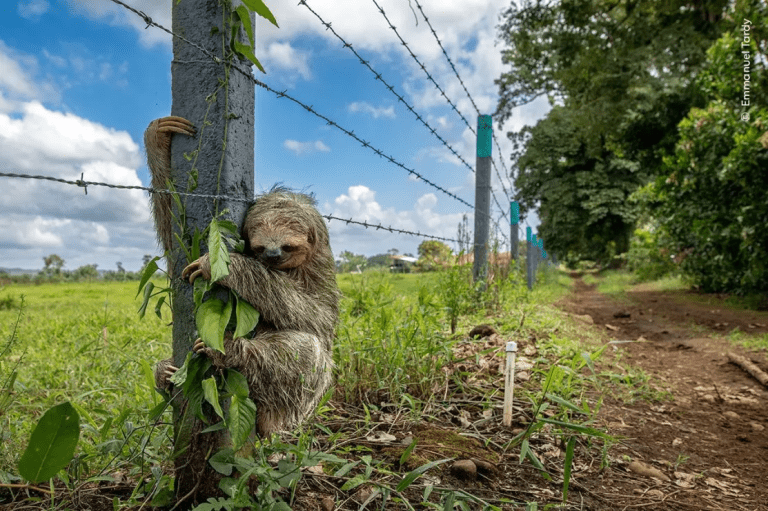

Brazilian documentary photographer capturing authentic street moments in an urban Brazilian setting.
Updated: March 16, 2026
In Brazil’s dynamic visual economy, exclusive Photography Brazil is not a luxury but a strategic vector for brands, journalists, and cultural institutions seeking trusted, context-rich imagery that travels beyond borders.
Context: Brazil’s visual market and the economics behind exclusive Photography Brazil
Brazil’s photography market is highly fragmented, with global agencies, regional studios, and a thriving community of freelancers shaping supply and demand. Clients increasingly ask for images that convey local nuance—cultural texture, urban rhythms, and environmental context—rather than generic stock shots. Rights management is central: photographers must negotiate editorial versus commercial rights, licensing across platforms, and potential archiving or resale. In this climate, practitioners who package several years of access rights into a single deal often capture more sustainable value than one-off assignments. Local galleries, museums, and cultural organizations are also expanding partnerships that reward in-depth documentation of Brazilian communities.
Recent reports about Odebrecht considering a debt-for-equity swap for its Atvos unit illustrate how the fortunes of large corporations can ripple through sponsorships, media partnerships, and production budgets. When corporate capital tightens, budgets for ad hoc shoots may shrink, but the demand for carefully licensed, multi-use storytelling grows. That paradox creates space for photographers who can demonstrate long-tail value—clear rights language, transparent usage scopes, and reliable delivery schedules. In practice, this means clients increasingly seek portfolios that show not just a single image but a coherent narrative with clear licensing tracks and expectations for future revisits.
Opportunities and risks in a polarized landscape
Brazil’s public conversation has sharpened around politics and social issues, and documentary photography remains a powerful means to frame these debates. In-depth, contextual imagery—when paired with ethical releases and transparent captioning—offers international outlets a way to tell Brazil’s stories with nuance. Yet photographers face risks: safety on assignment, reputational risk if imagery is misused, and legal exposure if releases or consent are mishandled. The recent surge in political demonstrations, including large rallies, underscores how quickly scenes can evolve, demanding preparation, situational awareness, and collaboration with local fixers who know the terrain. Photographers who build strong local networks can anticipate closures, permit requirements, and changing access rules, preserving both safety and image quality. In practice, this dynamic rewards those who can deliver coherent narratives with robust rights documentation, making them indispensable to editors seeking trusted Brazil-focused coverage.
News coverage of mass gatherings has highlighted the need for responsible storytelling. For Brazilian photographers, this means balancing immediacy with accuracy: frame choices that convey mood without sensationalism, verify identities where possible, and document context alongside portraits. The result is imagery that travels well across borders while preserving the integrity of Brazilian subjects and locations. In a climate where international buyers increasingly value ethical perspectives on Brazil, technicians who can provide captioning, context notes, and rights matrices become indispensable partners to editors.
Technology, craft, and the changing workflow for Brazilian photographers
Digital technology has lowered barriers to entry but also intensified competition. Many practitioners blend traditional documentary craft with modern workflows: client briefings conducted remotely, collaborative edits via cloud platforms, and metadata-rich archives that protect rights and provenance. Drones, when legally permissible, add new perspectives for urban sprawl, favelas, and environmental stories, but operators must stay compliant with Brazilian aviation rules and privacy norms. Local networks—trusted fixer teams, legal counsel, and gallery connections—remain essential for navigating permits, model releases, and licensing negotiations. The rise of online portfolios and regional fairs also gives photographers opportunities to reach new markets without incurring heavy travel costs.
Photographers who invest in a robust post-production plan—cataloguing shoots, standardizing captions, and tagging images with usage rights—find that distribution accelerates and pricing stabilizes. In a market where exclusivity is valued, a well-documented rights package can justify premium licensing and reduce back-and-forth with clients. Embracing a modular approach to storytelling allows creators to repackage a single shoot into multiple stories across platforms, extending the life of a project and providing predictable revenue streams.
From commissions to licensing: building sustainable models
To build durable revenue streams, photographers should think beyond one-off commissions. Direct licensing to editorial clients, brand partners, and NGOs, complemented by stock or micro-licensing for social media, can diversify risk. Projects that combine documentary rigor with editorial storytelling tend to perform better in both local and international markets. Local collaborations—museums, universities, and cultural centers—offer opportunities to develop serialized work, host workshops, or create limited-edition prints that extend a project’s lifespan. In Brazil, partnerships with civic institutions can also lead to government-backed grants for documentary projects, further stabilizing cash flow for long-term work.
Ethical practice, clear contracts, and transparent attribution build trust with clients and audiences. A forward-looking strategy also emphasizes capacity-building: investing in training, legal counsel for contract review, and sustainable pricing models that reflect the long-term value of rights and archives. In effect, photographers position themselves not only as image-makers but as storytellers who steward Brazil’s visual history for years to come.
Actionable Takeaways
- Develop a rights-conscious offering: package editorial, commercial, and archival rights into tiered licenses to maximize long-term value.
- Diversify revenue streams: combine commissions with direct licensing, prints, workshops, and collaborations with galleries or cultural institutions.
- Invest in local partnerships: build fixed relationships with fixers, editors, and legal advisors who understand Brazilian regulations and market norms.
- Prioritize ethical storytelling: obtain clear releases, provide contextual captions, and verify subjects to maintain trust with audiences and clients.
- Leverage technology: implement metadata standards, cloud-based proofing, and a structured archive to speed delivery and protect rights.
- Plan for safety and risk management: conduct site assessments, carry appropriate permissions, and maintain contingency plans for politically sensitive environments.