Documentary photographer in a rain-soaked Brazilian city capturing a moment of social significance
Updated: March 16, 2026
In the evolving brazil Photography Brazil ecosystem, photographers confront political trials, climate shocks, and the rapid churn of digital platforms that filter, amplify, or erase images from the public conversation. This piece treats photography in Brazil not merely as art or reportage, but as a practical instrument for civic memory, accountability, and cross-cultural exchange across a vast and diverse nation.
The Context: Photography in Brazil’s Public Sphere
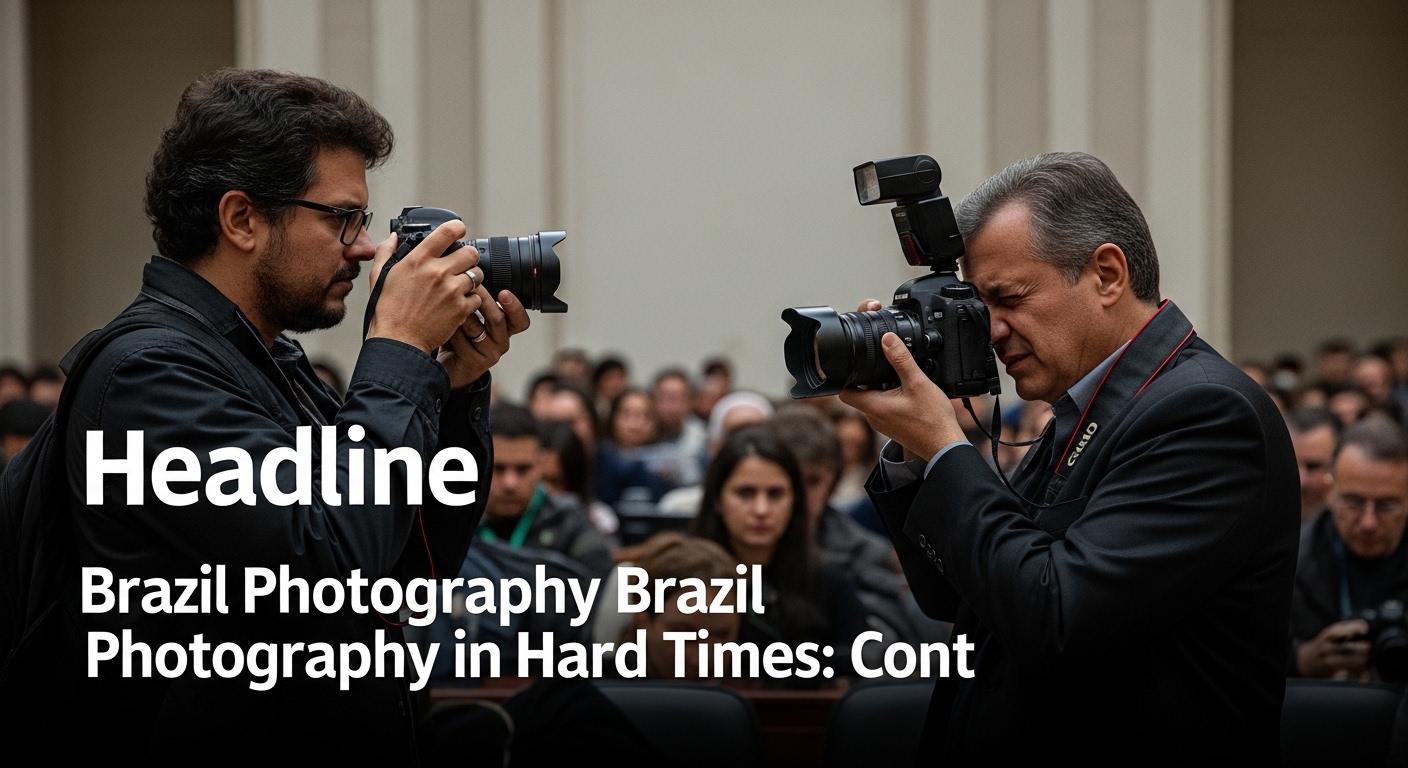
Brazilian photojournalists operate at the intersection of spectacle and scrutiny. High-profile political moments—from landmark court decisions to mass mobilizations—test the boundaries between access and risk. When national headlines turn toward judicial proceedings or legislative controversy, photographers must weigh proximity with safety, consent, and editorial responsibility. The recent arc of coverage around major legal cases and political events has underscored how images can humanize complex debates while also inviting scrutiny about bias and representation. For practitioners, this means cultivating long-term relationships with editors, communities, and local sources so that reporting remains accurate, fair, and contextualized rather than reactive to breaking clips alone.
Photographers increasingly balance on-the-ground storytelling with a responsibility to avoid sensational framing. The visual language—whether documentary, street, or portrait—must acknowledge resident experiences, preserve dignity, and resist stereotyping. At its best, Brazilian visual storytelling translates policy shifts and court rulings into tangible human narratives, turning abstract discourse into accessible scenes that inform civic discourse without caricature.
Technology, Platforms, and the Image Trade
Digital platforms have reshaped how photographs circulate—often accelerating the pace from capture to audience. In Brazil, photographers navigate social feeds, licensing portals, and independent publishing avenues that can amplify impact or dilute credibility, depending on how images are edited, labeled, and contextualized. The era of rapid distribution demands rigorous metadata practices, provenance notes, and clear consent when depicting private individuals or sensitive situations. Editors increasingly expect photographers to provide verifiable layers—time, location, and the socio-political context behind an image—so that a single frame does not stand in for a broader, nuanced story. At the same time, new tools for color grading, computational editing, and automated tagging challenge photographers to maintain ethical control over their visual narratives while embracing efficiency and reach.
Beyond newsrooms, the rise of citizen storytelling platforms has democratized access to Brazil’s diverse experiences, from urban neighborhoods to remote belts of the Amazon. This democratization carries both opportunity and risk: a broader range of voices can enrich coverage, yet it also raises questions about accountability, representational fairness, and the responsibilities that come with publishing images of vulnerable communities. Photographers who succeed in this environment often build hybrid models—commissioned work, stock licensing, and collaborative projects with local organizations—that blend journalistic integrity with sustainable practice.
Risk, Ethics, and Representation
Safety remains a core concern for photographers covering protests, disasters, or politically charged events. Brazil’s dynamic urban centers can present logistical challenges—from permit requirements to unpredictable crowd dynamics. Ethical considerations extend beyond consent; they include the insertion of images into broader political narratives and the risk of misrepresentation through selective framing or decontextualized captions. Practitioners increasingly adopt a reflexive approach: documenting with a robust note-taking routine, seeking feedback from affected communities, and maintaining a diverse portfolio that reflects multiple viewpoints within Brazil’s social fabric. The discipline of captioning—clarifying who is depicted, why the moment matters, and how it connects to larger stories—helps counter bias and strengthens the credibility of a photographer’s work.
Platform pressure can encourage a focus on virality, but sustainable practice asks for depth. Long-form storytelling, documentary projects, and partnerships with local editors or NGOs help ensure that images contribute to lasting understanding rather than fleeting attention. This broader lens matters for Brazil, where regional disparities in access to resources, education, and media literacy influence how audiences interpret photographs and what they deem legitimate evidence of social reality.
Actionable Takeaways
- Build local relationships with editors, community leaders, and rights advocates to secure context, access, and accurate captions for images.
- Prioritize safety: research permits, environmental risks, and legal rights before shooting in public or semi-public spaces; have a plan for evacuation and backup equipment.
- Maintain rigorous archive and metadata practices: preserve original files, document locations and times, and track licensing terms to protect rights and ensure correct attribution.
- Balance immediacy with depth: pair quick-on-the-ground reporting with longer-term projects that provide sustainable context and counter-narratives to sensational framing.
- Practice ethical representation: seek consent where possible, avoid sensationalizing vulnerable subjects, and present diverse perspectives to prevent monolithic storytelling.