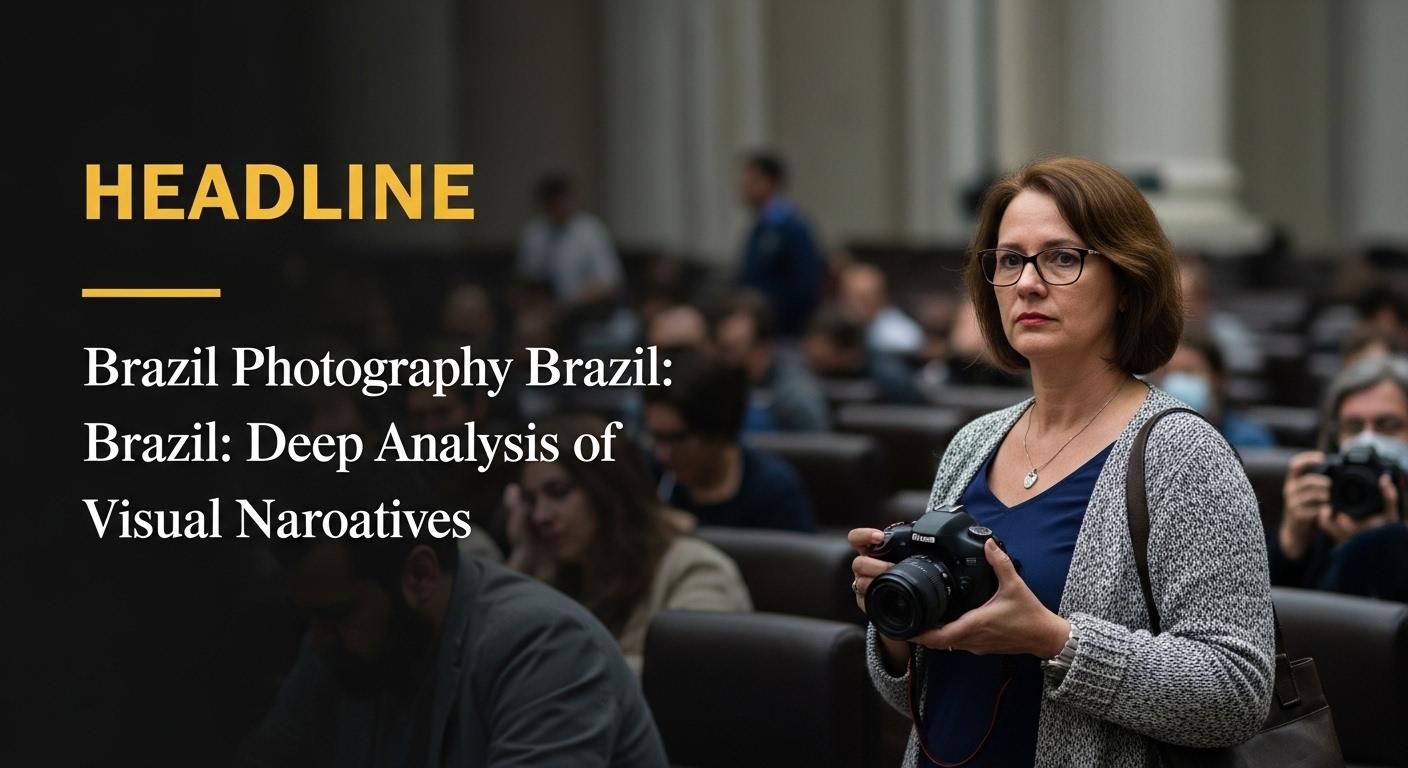
Brazilian street photographer capturing market scene during golden hour
Updated: March 16, 2026
Welcome to a field report from brazil Photography Brazil, where photographers map the nation’s contradictions—from festive street markets to urgent social questions—through lenses that demand context, ethics, and nuance. The piece examines how a surge of both global attention and domestic pressures is reshaping what gets photographed, who gets seen, and how audiences interpret Brazilian images in a crowded, algorithm-driven media landscape.
Context: Brazil’s photographic ecosystem in a moment of change
In recent years, Brazilian photography has shifted from the traditional gatekeepers—magazines, newspaper photo desks, and agency wires—to a more distributed field that includes independent collectives, social media, and community-based projects. This transition affects not only access to gear but also decisions about what stories count as news, culture, or documentary. The democratization of tools—mirrorless cameras, affordable rigs, editing software—has lowered barriers to entry for young photographers in urban centers like São Paulo and Rio de Janeiro, as well as in favelas and rural towns. The result is a proliferation of micro-narratives that together illuminate the country’s social fabric. Yet the ecosystem remains unequal: access to training, archival support, and distribution channels can still hinge on networks and funding—factors that can skew which voices are amplified. For Brazil photography, the challenge is not merely technical excellence but curating responsible, context-rich visuals that resist sensationalism while capturing complexity. Photographers increasingly situate their work within ongoing conversations about race, class, and environmental change, using photography to interrogate policy, memory, and everyday life.
Ethics, representation, and visual storytelling
Photographers operating in Brazil face ethical questions that escalate when documenting violence, displacement, or poverty. The line between documentary honesty and voyeurism is a constant negotiation—especially when images travel quickly through social platforms where context can be stripped. Editors and practitioners are now more likely to co-create captions with subjects, obtain consent for sensitive exposures, and publish with awareness of the potential consequences for communities photographed. The rise of “participatory photography” practices—where subjects help shape the narrative arc—can yield more nuanced portraits that resist stereotype. Practical considerations include securing releases, respecting local norms in showcases, and balancing the photographer’s voice with community agency. This approach aligns with a broader trend in photography toward long-form storytelling and archival integrity, rather than one-off crisis images that satisfy algorithmic metrics but fail to convey sustained context.
Climate events, urban change, and the photographer’s lens
Brazil’s climate variability—seasonal floods in the southeast, drought in the northeast, and intensified rainfall in urban centers—offers both challenges and opportunities for photographers. Visual documentation of floods, drought, and heat offers tangible evidence of climate resilience and risk. Yet images do more than illustrate meteorology; they reveal how communities adapt, improvise, and organize in response to environmental stress. Photographers who pair climate imagery with portraits of residents, municipal workers, and NGOs create a geography of impact: where infrastructure holds, where it fails, and where aid flows. In years when disaster response dominates headlines, seasoned photographers seek continuity in coverage—building ongoing series that track recovery, displacement, and policy responses over time rather than episodic, stand-alone frames. The risk is overshadowing human agency with spectacle; the antidote is consistent context, accessible data visuals, and collaboration with local photographers who understand neighborhood histories and social networks.
Future prospects: training, platforms, and a Brazilian audience
As the market evolves, Brazilian photographers weigh how to monetize, distribute, and preserve work without sacrificing artistry or ethics. Training programs that combine technical mastery with rights management, project proposal development, and curatorial partnerships are increasingly common in universities, art schools, and non-profit spaces. Platforms—ranging from independent websites to galleries, zines, and curated Instagram programs—offer new routes to visibility, yet they also pressure creators to conform to viral rhythms or trending aesthetics. The Brazilian audience is discerning and diverse, spanning urban collectors, regional communities, and global viewers; success often hinges on language—visual, textual, and cultural—that invites multiple reading levels. In practical terms, photographers are building micro-archival practices, licensing portfolios, and collaborative networks that help sustain sustainable projects. The broader implication for brazil Photography Brazil is a move toward responsible, sustainable storytelling that respects community agency while using the camera as a tool for social inquiry and cultural exchange.
Actionable Takeaways
- Invest in ongoing training that blends technical skill with ethics, consent, and community engagement.
- Develop long-term projects that document change over time rather than one-off event photography.
- Partner with local photographers and organizations to ensure authenticity and access to contextual information.
- Curate captions and data visualizations that add essential context for audiences outside Brazil.
- Explore diverse platforms for distribution while safeguarding rights and fair compensation.
Source Context
The following sources provide additional context related to the themes discussed. They are not cited as claims within this article but offer background on issues shaping Brazilian photography and society.