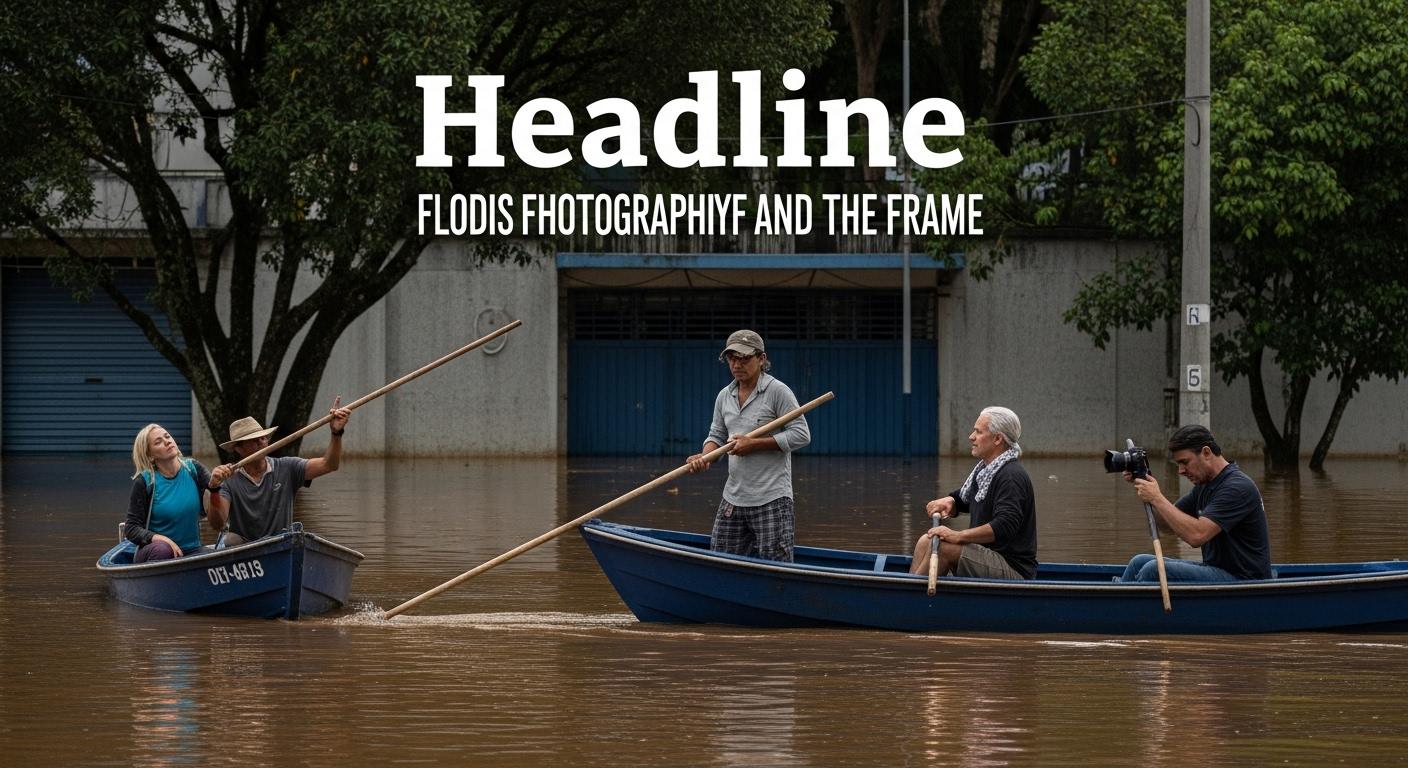
Photographer in a flooded street documenting community response during heavy rain in Brazil
Updated: March 16, 2026
In Brazil, floods Photography Brazil has become a defining strain of documentary work, where rain-soaked streets and swollen rivers turn into classrooms for memory and accountability. Photographers on the ground are not merely recording water and debris; they translate the tempo of disaster into images that inform, press policymakers, and anchor community memory. The field sits at the intersection of grit and ethics: the need to document truth while preserving dignity for those who endure repeated exposure to extreme weather and its fallout. This piece offers a deep, practical analysis of how photographers, editors, and civic actors can approach flood imagery with discipline, care, and a view toward long-term resilience.
Context: floods and the Brazilian photographic landscape
Brazil’s climate mosaic—torrential rains in the crowded urban belts, seasonal river swell in the interior, and shifting coastal dynamics—produces flood scenarios that test both infrastructure and imagination. In recent years, southeastern markets and river basins have endured episodes where abrupt inundation disrupts livelihoods, displacement, and the routine rhythms of daily life. For photographers, this context is not merely a backdrop; it is a field of opportunity and risk where the frame must balance immediacy with accountability. The growing ubiquity of smartphones and citizen reporting coexists with professional crews who bring planning, larger lenses, and editorial constraints to the scene. The result is a visual discourse that can accelerate aid, illuminate policy gaps, and reshape public understanding of climate vulnerability in urban and peri-urban spaces.
The Brazilian photojournalism ecosystem has to manage a spectrum of pressures: the urgency to document, the need to protect subjects, and the responsibility to contextualize images within a broader narrative of resilience and public response. Floods magnify inequalities—informal settlements, informal economies, and municipal gaps in drainage and housing compliance—yet photography can also spotlight communal strategies, such as improvised shelters, neighborhood solidarities, and rapid relief logistics. In practice, photographers often operate at the edge of rapid response, translating what they observe into images that can travel from newspaper pages to museum walls, from local broadcasts to international outlets, and into educational exhibitions that guide future urban planning. The cultural role of such imagery is not only about capture but about synthesis—helping audiences connect weather events to policy choices, infrastructure investments, and climate adaptation efforts.
Visual storytelling under risk: ethics, framing, and technique
The ethics of flood photography demand a careful calculus: consent, dignity, and the potential for exploitation must be weighed against the public’s right to know. Ethical practice starts with situational awareness—getting permits when possible, avoiding scenes that reduce people to distress, and seeking to tell stories that center community agency rather than spectacle. Framing choices matter: a wide shot can reveal scale and collective impact, while tight portraits may convey personal resilience and trauma without sensationalism. Photographers also consider color, light, and texture to convey atmosphere—mud-streaked walls, rain-slick surfaces, and the gleam of improvised shelter roofs can become powerful signifiers of disruption and endurance.
Technique in flood zones prioritizes safety and gear protection. Water-resistant housings, sealed camera bags, and anti-fog lenses extend shooting opportunities, but risk assessment should guide every decision. Lower angles that emphasize horizon lines can communicate scale, while reflections on water surfaces create visual poetry that anchors readers emotionally. In Brazil’s diverse urban settings, decision-making about where to shoot—street intersections, flooded alleys, or interior rooms—affects both the narrative cadence and the ethical frame. Editors must balance immediacy with context: one compelling image is rarely enough to explain why flooding occurs, how residents respond, and what policies are needed to reduce vulnerability.
Technology, access, and resilience in the field
Digital ecosystems have reshaped how flood imagery travels from the field to audiences. Photographers now leverage a mix of traditional cameras and smartphones to capture events in real time, while drone footage can reveal spatial patterns of inundation and relief routing—when regulations and safety constraints permit. Battery life, waterproof housing, and portable power sources become operational priorities in the field, especially in remote or disaster-affected zones where power is intermittent. Beyond gear, successful flood coverage depends on access: establishing transparent lines of communication with local authorities, aid groups, and community leaders improves both safety and the reliability of the narrative. Data management—backup protocols, metadata discipline, and rights clearances—ensures that images remain usable as investigations or policy debates unfold.
Local collaboration matters, too. Photographers who work with residents to understand the meaning behind the scenes—how families improvise, how schools organize afterschool relief, how municipal workers coordinate drainage—produce stories that are not merely about loss but about adaptation. In practical terms, this collaboration translates into better captions, more accurate timelines, and richer context that helps viewers grasp the policy and engineering responses necessary to build resilience.
Actionable Takeaways
- Prioritize personal safety and coordinate with local authorities before entering flooded zones. Establish a plan for exit routes and emergency contact points for every shoot.
- Apply ethical guidelines: obtain consent when feasible, avoid sensational framing, and tell stories that honor dignity and agency of affected communities.
- Plan shots with context in mind—include environmental cues (drainage, infrastructure, shelter) and human reactions (behavior, mutual aid, coping strategies) to avoid isolated moments of catastrophe.
- Leverage a hybrid photographic workflow: combine wide environmental frames with intimate portraits, using higher dynamic range to capture both highlight and shadow details in waterlogged scenes.
- Invest in durable gear and data hygiene: waterproof housings, redundant backups, and clear rights management so images remain usable across outlets and time frames.
Source Context
The following sources provide macro context on climate risks, resilience, and journalistic ethics that inform flood coverage practices in Brazil and beyond.
- World Bank: Climate risks and resilience in Brazil — policy context and development implications for flood-prone regions.
- INPE: Brazilian weather and climate data — national data sources that support forecasting and situational awareness for reporting.
- UNESCO: Media ethics in journalism — ethical guidance relevant to crisis reporting and human-centered storytelling.
- AP News: Brazil floods coverage hub — examples of how outlets report on flood events and their societal impact.