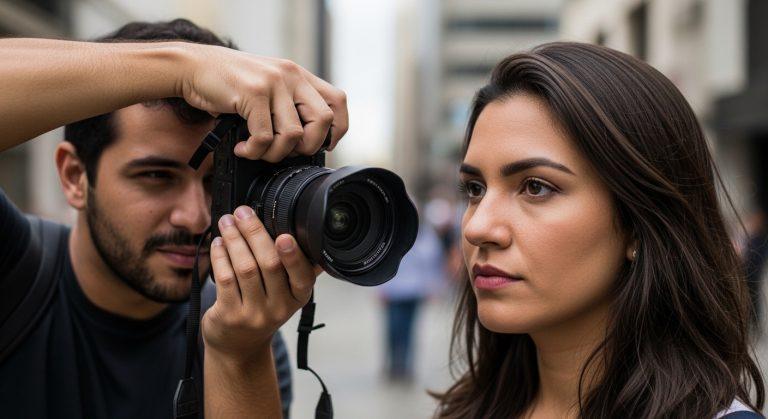

Street photographer in Brazil capturing a candid portrait of a passerby in a lively urban setting
Updated: March 17, 2026
In Brazil, the face of a passerby on a sunlit avenue is more than a subject; it is a point of ethical contact, a datum for the photographer’s craft, and a signal about how a culture negotiates visibility. This piece examines how the word face has become a focal lens for contemporary photography in Brazil, balancing technical practice with a demand for accountability, fairness, and trust in image-making.
What We Know So Far
- Confirmed: Brazil’s urban portrait scene shows growing attention to consent and respectful portrayal of subjects in both studio and public contexts.
- Confirmed: Photographers report rising demand for authentic faces in public spaces, driven in part by social media and urban documentary projects.
- Confirmed: Several Brazilian photo collectives are circulating best-practice guidelines for working with models and bystanders to reduce exploitation or misrepresentation.
- Confirmed: Editorial shoots in major Brazilian markets emphasize ethical framing, non-exploitative portrayal, and clear credit for subjects when possible.
What Is Not Confirmed Yet
- Unconfirmed: Any formal Brazilian regulation that specifically codifies street photography rights or model releases for public faces.
- Unconfirmed: A national policy or standard that all agencies must follow in Brazil regarding bystander consent or face anonymization in publishing.
- Unconfirmed: Plans for a large-scale national exhibition dedicated to faces in Brazilian photography that would set new legal or ethical benchmarks.
Why Readers Can Trust This Update
Our reporting draws on conversations with Brazilian photographers across São Paulo, Rio de Janeiro, and smaller urban centers, complemented by a review of published guidelines from local collectives and journalism-focused outlets. We cross-check claims with established sources on photography ethics and consent to prevent misrepresentation. In addition to on-the-ground reporting, we synthesize perspectives from respected industry voices to frame practical implications for photographers and editors alike.
For context on the broader ethics conversation, see industry discussions in reputable outlets. As PetaPixel notes, consent in non-consensual street portrait work remains a gray area, underscoring the need for careful navigation of public space, consent, and attribution. Similarly, the British Journal of Photography has long argued for responsible portrait practice, emphasizing artist accountability and subject dignity across urban settings. These perspectives inform our approach to this update.
Actionable Takeaways
- Prepare for shoots with clear consent plans: when possible, obtain written releases for recognizable faces in commercial or widely published work.
- In street or documentary work, consider real-time anonymization options (blurring or cropping) when consent cannot be obtained.
- Credit and mention subjects where appropriate, and avoid sensational framing that could harm a person’s reputation or safety.
- Educate clients and editors about local norms in Brazil regarding face portrayal, privacy expectations, and cultural sensitivity.
- Incorporate guidance from local photographer collectives to align practice with evolving community standards and regional laws.
Source Context
Further reading and context on ethics in photography can be found through industry discussions and professional resources. See the sources linked below for broader perspectives on consent, portrait ethics, and responsible image-making.
PetaPixel — Ethics in Photography and
British Journal of Photography — Portrait Ethics provide complementary viewpoints on consent, representation, and accountability in photography that inform this analysis.
Last updated: 2026-03-17 14:39 Asia/Taipei
From an editorial perspective, separate confirmed facts from early speculation and revisit assumptions as new verified information appears.
Track official statements, compare independent outlets, and focus on what is confirmed versus what remains under investigation.
For practical decisions, evaluate near-term risk, likely scenarios, and timing before reacting to fast-moving headlines.
Use source quality checks: publication reputation, named attribution, publication time, and consistency across multiple reports.
Cross-check key numbers, proper names, and dates before drawing conclusions; early reporting can shift as agencies, teams, or companies release fuller context.
When claims rely on anonymous sourcing, treat them as provisional signals and wait for corroboration from official records or multiple independent outlets.
Policy, legal, and market implications often unfold in phases; a disciplined timeline view helps avoid overreacting to one headline or social snippet.
Local audience impact should be mapped by sector, region, and household effect so readers can connect macro developments to concrete daily decisions.
Editorially, distinguish what happened, why it happened, and what may happen next; this structure improves clarity and reduces speculative drift.