Updated: March 16, 2026
The concept of neymar Photography Brazil has grown from a niche collector’s interest into a lens on how fame and nationhood co-create visual culture in contemporary Brazil. This analysis surveys how photographers, editors, and galleries frame Neymar’s image, and what those visual choices reveal about the oscillating relationship between sport, celebrity, and public memory in a country where football is a social language.
Neymar as a Visual Brand in Brazil
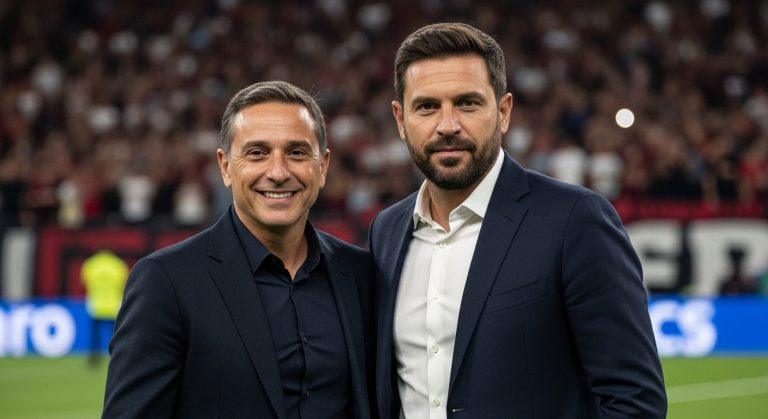
In Brazilian visual culture, Neymar operates not merely as an athlete but as a moving brand. The photography around him blends studio portrait discipline, on-field energy, and fan-sourced imagery into a hybrid language. Photographers learn to read the slogans around a game as much as the play on the pitch: the stadium’s color palette, the sponsor’s logos, the crowd’s choreography. This confluence yields an aesthetics of immediacy—tight crops, saturated color temperature, and moments that feel both iconic and ephemeral. The result is a public image that travels beyond any single match, becoming a recurring symbol in magazines, billboards, social feeds, and archival projects.
Yet the ethics and economics of Neymar’s image complicate the frame. Rights holders influence what can be published, and what constitutes “authorship” in a moment of instant transmission. Photographers must navigate a field of who owns the moment—the athlete, the team, the sponsor, the media outlet—while striving for a voice that respects both craft and context. In this light, neymar Photography Brazil is less a single photograph than a discourse about how a star’s face becomes usable cultural capital in a country that prizes football as collective memory.
From Studio to Stadium: Photographers and Narratives
Brazil’s photographers move fluidly between controlled studio environments and the unpredictable energy of the stadium. Studio work allows portraiture that emphasizes character, aspiration, and identity beyond the moment of competition; it also demands a careful handling of light, texture, and mood to evoke a personality rather than a sports statistic. In stadium assignments, the narrative shifts toward action, tempo, and context—the way a crowd reacts, how players celebrate, and what the frame chooses to reveal about strategy, tension, or relief.
This dual mode creates a robust vocabulary. Photographers turn to color grading that echoes national kits, architecture that frames urban ambition, and composition that privileges gesture over stat-line data. The result is a gallery of images that can function in editorial spaces, on social media dashboards, or in retrospective exhibitions. The storytelling is not simply about Neymar; it is about how a star’s presence organizes space, light, and time within Brazilian visual culture.
Market and Audience Dynamics in Brazilian Photography
The economics of football photography in Brazil are inseparable from market demand for celebrity imagery. Galleries, publishers, and brick-and-mortar spaces compete for control of limited-run prints, licensing agreements, and exhibition programming that feature high-profile athletes like Neymar. The audience—local fans, diaspora communities, and global collectors—drives a digital tail that amplifies or moderates the image’s reach. Photographers increasingly curate cross-platform narratives, releasing behind-the-scenes process shots, long-form essays, and editorial series that can spark dialogue about technique, consent, and representation. This environment fosters a specialized ecosystem where visually compelling sports portraits can command premium interest, while also raising questions about accessibility, ownership, and fair compensation for creators who operate in a crowded media marketplace.
As audiences shift toward mobile and social platforms, the speed of image circulation alters how stories are told. A single frame can shape perception for days, while a sequence of behind-the-scenes images can become a totem for a particular era of Brazilian sport. In this dynamic, photographers who blend documentary rigor with commercial savvy are uniquely positioned to document not only Neymar’s career but the broader evolution of photography as a profession in Brazil.
Actionable Takeaways
- For photographers: build cross-platform series that combine portraiture, on-field action, and behind-the-scenes process to expand reach while preserving authorial voice.
- For galleries and publishers: invest in limited-edition runs tied to major football moments and establish licensing terms that recognize photographers’ rights and long-term value.
- For educators and institutions: develop case studies that use neymar Photography Brazil as a framework to teach lighting, composition, and ethical storytelling in sports contexts.
- For policymakers and funders: support programs that provide access to equipment and training for emerging photographers across Brazil’s regions to diversify visual narratives.
- For audiences: cultivate critical viewing habits that balance admiration for athletic spectacle with attention to context, consent, and the provenance of images.