Brazilian street photographer documenting daily life at dusk in a vibrant city scene.
Updated: March 16, 2026
In Brazil, pictures Photography Brazil have become a lens not only for aesthetics but for accountability, memory, and policy critique. As photographers and editors weigh image choice against public impact, the way these pictures circulate—through social media, galleries, and news wires—reveals how visual storytelling intersects with politics, economics, and everyday life.
Context and Backstory
Brazilian photography sits at a crossroads of rapid urban growth, social contestation, and regional vitality. Photojournalists document everything from crowded streets and municipal hearings to cultural ceremonies that define local identities. In this environment, images do more than illustrate events; they help interpret policy shifts, highlight marginalized communities, and influence how people understand power. While outlets like Reuters regularly curate daily pictures of the day to provide global snapshots, Brazilian editors increasingly select and frame images with an eye toward local relevance, ensuring narratives feel earned rather than imported from abroad.
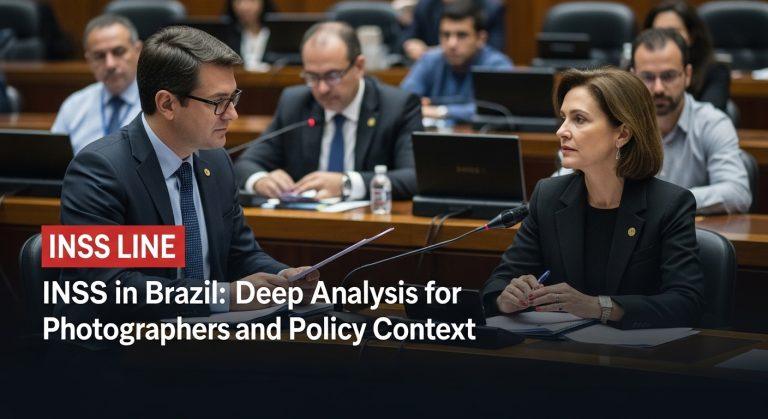
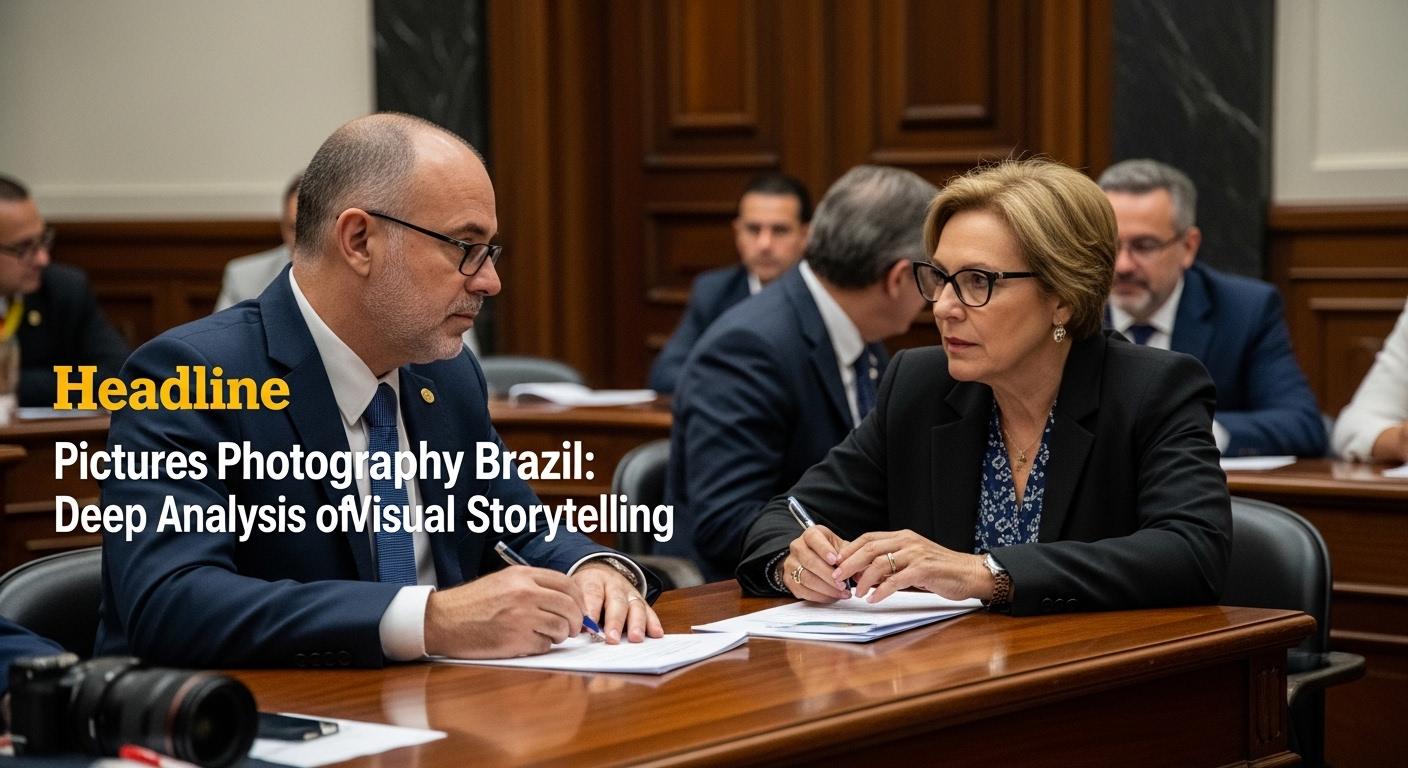
Public memory in Brazil often crystallizes around compelling visuals—whether a courtroom corridor, a carnival street, or a marketplace at dusk. The way such moments are framed can shape debates, from urban reform to cultural representation. In recent coverage of high-profile legal cases and policy debates, the role of photography as a witness and a catalyst for dialogue has grown more pronounced, underscoring the responsibility that accompanies access to powerful imagery.
Technology, Access, and Equity
Technology has democratized image-making in Brazil: smartphones and portable cameras enable a broader set of voices to document daily life. Yet access still tilts toward those with resources, networks, and institutional support. This tension matters because it affects who is seen, how stories are told, and whose perspectives are prioritized in national narratives. In practice, this means larger outlets may still drive the most visible coverage, while independent photographers—especially from underrepresented communities—seek creative platforms, captioning standards, and distribution channels that respect context and consent.
Distribution networks also influence ethical considerations. When images travel across platforms with varying editorial standards, the risk of sensational framing or miscaptioning grows. Editors and producers increasingly stress accuracy, context, and consent, aiming to preserve trust with Brazilian audiences who demand accountability for how people and places are portrayed. The balance between speed and veracity remains a practical challenge for newsrooms and photography collectives alike.
Economic Realities for Photographers
Photographers in Brazil navigate an economy where commissions, licensing, and agency representation shape livelihoods as much as craft. The market rewards strong visual storytelling, but fair compensation and transparent licensing practices remain ongoing conversations. In this environment, collaborations with cultural institutions, municipal programs, and regional galleries can offer steadier income streams and more control over how images are used. The ongoing discussion around pricing, rights, and access is not abstract: it determines whether diverse Brazilian photographers can sustain long careers and tell stories that reflect their communities with nuance rather than stereotype.
As public institutions occasionally fund documentary work or archival projects, photographers who blend investigative reporting with visual culture can gain both financial and social capital. Conversely, the proliferation of low-cost or stock-style imagery risks flattening distinct regional voices into generic visuals. A practical response is to cultivate local networks, diversify revenue streams, and foreground authorial intent—especially when covering culturally specific contexts like Carnival or regional artist collectives—so imagery remains both compelling and responsibly sourced.
Future Trends in Brazilian Visual Storytelling
Looking ahead, Brazilian visual storytelling is likely to deepen its dialogue with data-informed journalism, immersive media, and cross-border collaborations. The integration of data visualization with photo essays can provide richer context for readers, especially when reporting on policy outcomes, environmental change, or demographics. Artificial intelligence tools may assist in tagging, archiving, and translating captions, but editors will need clear policies to preserve ethical standards and avoid misrepresentation. Narratives that center diverse Brazilian voices—including women photographers, indigenous communities, and residents from peripheral regions—will help counter monolithic portrayals and reveal a more textured national story.
Events such as cultural celebrations and legal milestones illustrate how photography intersects with memory and justice. For example, coverage surrounding landmark rulings or cultural honors demonstrates that images can be both commemorative and persuasive, reinforcing the importance of responsible editorial practices. In this evolving ecosystem, partnerships between journalists, artists, and community organizations can generate images that challenge stereotypes while celebrating Brazil’s complexity and resilience.
Actionable Takeaways
- Prioritize ethical storytelling: obtain informed consent where feasible, verify subjects’ contexts, and avoid sensational framing that distorts reality.
- Elevate local voices: collaborate with Brazilian photographers from diverse regions and communities to broaden representation and accuracy.
- Invest in captions and context: provide multilingual, descriptive captions and archival notes to improve accessibility and understanding.
- Balance speed with accuracy: implement review workflows that preserve nuance when publishing rapid news cycles.
- Support fair compensation and rights clarity: advocate transparent licensing and value-based pay to sustain independent photographers.