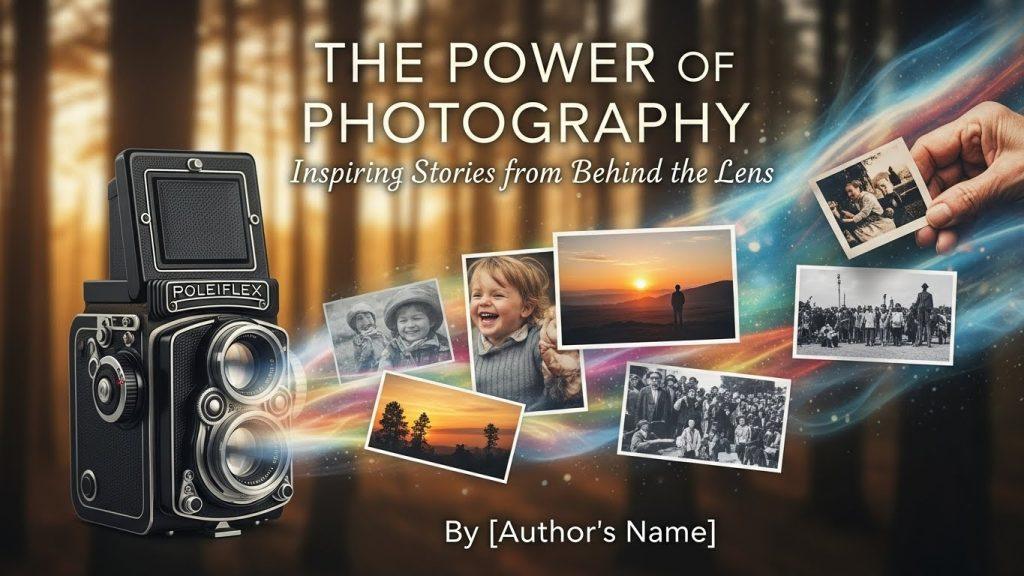
The Power of Photography: Inspiring Stories from Behind the Lens
Photography has always held a mystical allure, capturing moments that words often struggle to describe. It is a powerful medium that transcends language, culture, and time. Whether it’s the haunting gaze of a child in a conflict zone, the serene beauty of a landscape at dawn, or the raw emotion of a street scene, photography can evoke powerful emotions and provoke deep thought. This post delves into the inspiring stories from behind the lens, exploring how photographers use their craft to influence, inform, and inspire.
The Historical Impact of Photography
Photography has played a pivotal role in documenting history. From the early days of the daguerreotype to modern digital photography, images have provided a window into events that have shaped our world. Iconic photographs, such as the raising of the flag on Iwo Jima or the fall of the Berlin Wall, have become emblematic of entire eras, encapsulating the emotions and significance of these moments in time.
One powerful example is the work of Magnum Photos, a cooperative founded by pioneering photographers like Robert Capa and Henri Cartier-Bresson. Their images of conflict and social change have not only informed the public but also influenced public opinion and policy.
Photography as a Tool for Social Change
Photographers have long used their work to highlight social issues and inspire change. Consider the iconic images from the Civil Rights Movement in the United States. Photographers like Gordon Parks and Dorothea Lange used their cameras to bring attention to racial injustice and the plight of the poor, respectively.

In more recent years, photojournalists continue to shed light on pressing global issues. For instance, images capturing the effects of climate change have been instrumental in raising awareness and galvanizing action. Organizations such as Greenpeace often rely on compelling photography to illustrate the urgency and scale of environmental issues.
The Art of Storytelling Through Photography
Photography is not just about capturing a moment; it’s about telling a story. A single photograph can convey a narrative more powerfully than a thousand words. Renowned photographers like Steve McCurry and Annie Leibovitz have mastered the art of storytelling through still images, creating iconic portraits that reveal the depths of their subjects’ lives.
Additionally, platforms such as National Geographic showcase breathtaking photography that tells stories of diverse cultures, wildlife, and natural wonders. These images connect viewers to the broader world, inspiring curiosity and understanding.
Photography and Personal Expression
Beyond its ability to document and inform, photography serves as a medium for personal expression. Amateur and professional photographers alike use their cameras to explore their own perspectives and emotions. This personal connection can result in deeply moving work that resonates with viewers on an intimate level.
Consider the work of Vivian Maier, whose street photography offers a fascinating glimpse into mid-20th century urban life. Her images, discovered posthumously, reveal a unique and personal view of the world around her, inviting viewers into her private universe.
Technological Advances and Their Impact on Photography
The evolution of technology has significantly transformed photography, making it more accessible and versatile. From the advent of digital cameras to the proliferation of smartphones, the ability to capture high-quality images has become almost ubiquitous. This democratization of photography has empowered more people to tell their stories and share their perspectives with the world.
Moreover, advancements in software and social media platforms have allowed photographers to reach global audiences instantaneously. Photo-sharing networks like Instagram have created communities where photographers can connect, collaborate, and inspire each other, further expanding the reach and impact of their work.
Conclusion: The Enduring Power of Photography
Photography remains a potent force in the modern world. It bridges gaps between cultures, documents the human experience, and serves as a catalyst for social change. The stories told through the lens offer insight, provoke thought, and inspire action.
As technology continues to evolve and the world becomes increasingly interconnected, the power of photography will only grow. Photographers will continue to capture the beauty and complexity of life, leaving an indelible mark on history. Whether you are a professional, an enthusiast, or simply an admirer of the art form, remember that every photograph carries the potential to inspire and transform.
Photography in the Digital Age
In the digital age, photography has become even more integral to our daily lives. Social media platforms, such as Instagram and Facebook, have turned photography into a universal language. Every day, millions of images are uploaded, shared, and viewed, creating a dynamic tapestry of human experience. This digital evolution has made it easier than ever for photographers to share their vision with a global audience.
However, this abundance of imagery also presents challenges. With so many images vying for attention, photographers must find ways to distinguish their work and make it impactful. This has led to a rise in creative experimentation and the blending of photography with other art forms, such as digital art and video.
The Role of Photography in Branding and Marketing
Photography plays a crucial role in branding and marketing, helping businesses connect with consumers on an emotional level. High-quality images can convey a brand’s identity, values, and message more effectively than text alone. In the competitive world of marketing, powerful visuals can make the difference between a successful campaign and one that falls flat.
Brands often collaborate with talented photographers to create striking campaigns that captivate audiences. For example, companies like Apple have mastered the art of using clean, impactful photography to communicate their innovative spirit and commitment to design excellence.
Ethics and Responsibility in Photography
With great power comes great responsibility, and photographers must navigate ethical considerations in their work. Issues such as consent, representation, and the potential for exploitation are critical concerns, particularly in photojournalism and documentary photography.
Photographers must balance the need to tell compelling stories with respect for their subjects’ dignity and privacy. Organizations like the National Press Photographers Association (NPPA) provide guidelines and standards to help photographers uphold ethical practices in their work.
The Future of Photography
Looking ahead, the future of photography is filled with exciting possibilities. Emerging technologies, such as artificial intelligence and virtual reality, promise to expand the boundaries of what is possible in photography. These innovations may lead to new ways of capturing and experiencing images, further enriching the art form.
As we continue to explore these new frontiers, the core purpose of photography—to capture and share the beauty and truth of the world—remains unchanged. Photographers will continue to be storytellers, historians, and artists, using their vision to inspire and connect us all.
In conclusion, the power of photography lies in its ability to transcend the ordinary, capturing the essence of life in a way that resonates deeply with people across the globe. As we move forward, let us celebrate the photographers who dedicate their lives to this craft, and continue to explore the world through the transformative lens of photography.
Celebrating Diversity in Photography
One of the most enriching aspects of photography is its ability to celebrate diversity. Through the lens, photographers can highlight the rich tapestry of cultures, traditions, and perspectives that make up our world. This celebration of diversity not only fosters understanding and empathy but also challenges stereotypes and broadens our worldview.
Initiatives such as PhotoDiversity focus on promoting inclusivity in the field of photography, encouraging voices from underrepresented communities to share their unique stories. By supporting diverse photographers, we can ensure a more comprehensive and authentic representation of the human experience.
Educational Opportunities in Photography
Photography offers a wealth of educational opportunities for those looking to develop their skills and deepen their understanding of the art form. There are numerous workshops, courses, and online resources available for aspiring photographers to learn and grow. Whether through formal education or self-directed learning, these opportunities provide valuable insights into both the technical and creative aspects of photography.
Institutions like the International Center of Photography (ICP) offer comprehensive programs that cover everything from basic camera techniques to advanced conceptual photography. These programs not only enhance technical skills but also encourage students to explore their artistic vision and develop their personal style.
Community and Collaboration in Photography
Photography is not only a solitary pursuit but also a collaborative one. Photographers often come together in communities, both online and offline, to share their work, exchange ideas, and collaborate on projects. These communities provide a supportive environment where photographers can inspire each other and push the boundaries of their creativity.
Photography collectives, such as Magnum Photos and VII Photo Agency, exemplify the power of collaboration. By bringing together photographers with diverse styles and perspectives, these collectives create a dynamic synergy that results in compelling and innovative work.
The Emotional Impact of Photography
At its core, photography is about emotion. A powerful photograph can evoke a wide range of feelings, from joy and wonder to sorrow and anger. This emotional impact is what makes photography such a compelling art form, capable of touching hearts and changing minds.
Photographers who master the art of capturing emotion create work that resonates deeply with viewers. Their images linger in our minds, prompting reflection and contemplation long after we’ve seen them. Whether capturing the quiet dignity of an elderly couple or the exuberant laughter of children, photographs that convey emotion connect us to the shared human experience.
In summary, photography is a multifaceted art form with the power to inform, inspire, and transform. As we celebrate the stories from behind the lens, we recognize the profound impact that photography has on our lives and the world around us. Let us continue to support and appreciate the photographers who dedicate themselves to this craft, and embrace the diverse and beautiful narratives they share.
About the Author