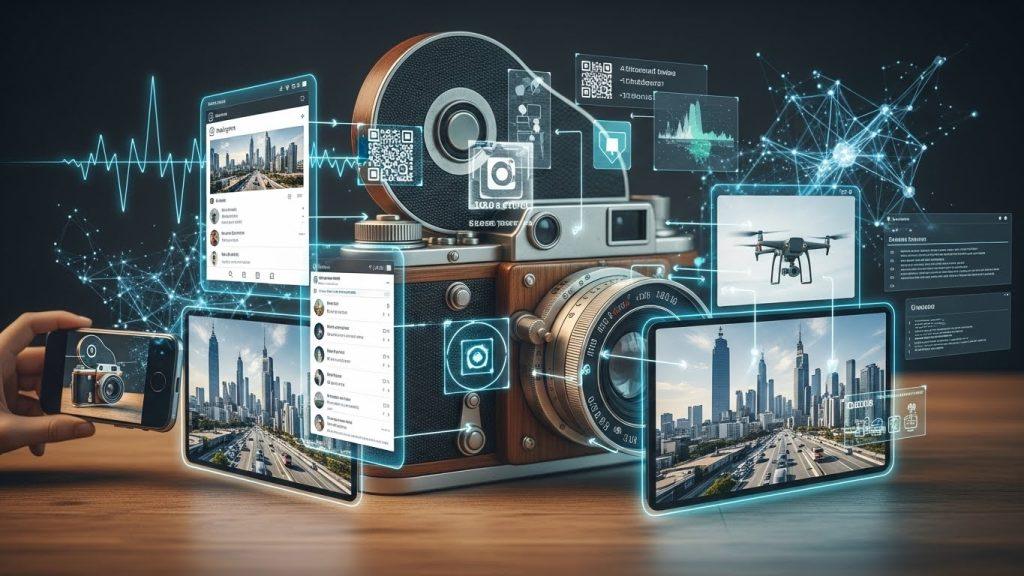
Understanding the Impact of Modern Technology on Photography
In the past few decades, the field of photography has undergone a seismic shift, largely driven by the rapid advancement of technology. From the advent of digital cameras to the rise of smartphones and sophisticated editing software, technology has not only democratized photography but also transformed it into a powerful medium of expression and documentation. In this comprehensive exploration, we delve into how modern technology has reshaped photography, examining both its positive impacts and the challenges it presents.
The Transition from Film to Digital
One of the most significant technological advancements in photography was the transition from film to digital cameras. This shift has had profound implications for photographers worldwide. Digital cameras offer instant feedback, allowing photographers to review their shots in real-time, a luxury that film cameras did not provide. This instant gratification has revolutionized learning and experimentation in photography, enabling photographers to refine their skills more quickly.
Moreover, digital cameras have eliminated the costs associated with developing film, making photography more accessible to a broader audience. The ability to store thousands of images on a single memory card has also encouraged photographers to take more risks, experiment with different styles, and capture more moments than ever before.
The Rise of Smartphone Photography
The proliferation of smartphones equipped with high-quality cameras has been another game-changer in the world of photography. With the convenience of having a camera always at hand, everyone from professional photographers to amateurs can capture moments spontaneously. This ubiquity has led to an explosion of visual content, influencing everything from social media to journalism.

Smartphone manufacturers are continually pushing the boundaries of what these devices can achieve. Features like computational photography, which utilizes artificial intelligence to enhance images, have further leveled the playing field, allowing non-professionals to produce stunning photographs with minimal effort.
Additionally, the integration of mobile apps for editing and sharing photos has streamlined the entire process from capture to publication. Platforms such as Instagram have become vital spaces for photographers to showcase their work and reach wider audiences, highlighting the significant impact of technology on both the production and distribution of photographic content.
Advanced Editing Software
The development of sophisticated editing software has opened new creative possibilities for photographers. Programs like Adobe Photoshop and Lightroom offer an extensive suite of tools that can transform a simple snapshot into a work of art. These tools allow for precise adjustments in color, lighting, and composition, enabling photographers to realize their creative visions with unprecedented control.
Beyond basic corrections, these programs support complex manipulations such as compositing and digital painting. The result is a blurring of the lines between photography and digital art, as photographers explore new realms of creativity. However, this also raises questions about authenticity and the nature of photographic truth, sparking debates within the photographic community about the ethical implications of digital manipulation.
The Role of Drones in Aerial Photography
Drones have revolutionized aerial photography, providing photographers with perspectives that were once the realm of professional pilots and expensive equipment. These unmanned aerial vehicles are equipped with high-resolution cameras and stabilization technology, enabling the capture of breathtaking images from vantage points that were previously inaccessible.
This technological advancement has expanded the possibilities for landscape photography, real estate marketing, and even environmental conservation efforts. Drones offer a unique way to document our world, providing insights and views that enhance our understanding of the environment.
However, the rise of drone photography also presents challenges, such as regulatory restrictions and privacy concerns. Photographers must navigate these issues, balancing creative pursuits with legal and ethical considerations.
The Impact of Social Media on Photography
Social media platforms have had a profound impact on the field of photography, transforming how images are shared and consumed. These platforms provide photographers with unprecedented access to global audiences, allowing them to build personal brands and engage with communities of like-minded individuals.
The visual nature of platforms like Pinterest and Instagram has fostered a culture where photography is central to communication and self-expression. This has driven innovation in photographic styles and techniques, as photographers strive to capture attention in an increasingly crowded digital space.
However, the emphasis on social validation, such as likes and shares, can also impact photographers’ creative decisions, sometimes prioritizing popular trends over genuine artistic exploration.
The Future of Photography in the Age of AI
Artificial intelligence is poised to further transform photography in ways that we are only beginning to understand. AI algorithms are already being used to automate aspects of the photographic process, from focusing and exposure settings to more complex tasks like image recognition and sorting.
As AI continues to evolve, it may lead to even more sophisticated tools that can enhance creativity and efficiency. For example, AI-driven editing software is capable of learning a photographer’s style and applying it automatically to new images, streamlining workflows and allowing photographers to spend more time shooting and less time editing.
However, the rise of AI also raises questions about the role of the photographer. As machines become more capable, the unique human element of photography—intuition, emotion, and perspective—will remain crucial in defining the art form’s future.
Takeaways
The impact of modern technology on photography is both profound and multifaceted. While it has democratized the medium and opened new avenues for creativity and expression, it also presents challenges that must be navigated carefully. As photographers continue to explore the possibilities afforded by technological advancements, the core principles of storytelling and artistic vision remain at the heart of this ever-evolving art form.
Ultimately, the future of photography lies in the balance between embracing technological advancements and preserving the human touch that defines the art. As we move forward, photographers will continue to push the boundaries of what is possible, crafting images that capture the essence of our world in ways that are both innovative and timeless.
Ethical Considerations in Technologically Enhanced Photography
As technology continues to shape the landscape of photography, ethical considerations come to the forefront. The ease with which images can be manipulated raises questions about the authenticity and integrity of photographic works. In journalism, for example, the expectation is that images should accurately represent reality. However, with advanced editing tools, the line between truth and artistic interpretation can become blurred.
Photographers must navigate these ethical waters, deciding how much manipulation is acceptable and ensuring transparency in their work. Some organizations and competitions have established guidelines to maintain ethical standards, emphasizing the importance of integrity in photographic practices.
Educational Opportunities and Online Learning
Technology has also revolutionized the way aspiring photographers learn and develop their craft. The internet provides a wealth of resources, from free tutorials and forums to comprehensive online courses. Platforms such as Coursera and YouTube offer accessible learning opportunities for photographers at all levels.
This democratization of education allows individuals from diverse backgrounds to acquire skills and knowledge that were once limited to formal institutions. As a result, the global photography community is more interconnected than ever, with photographers sharing techniques, critiques, and inspiration across borders.
Preservation and Archiving in the Digital Age
With the shift to digital photography, concerns about the preservation and archiving of images have emerged. Unlike physical prints, digital files are vulnerable to technological obsolescence and data loss. Photographers must consider long-term strategies for storing and backing up their work to ensure that it remains accessible for future generations.
Cloud storage solutions and dedicated archival systems have become essential tools for photographers looking to preserve their digital portfolios. Additionally, organizations such as The Library of Congress offer guidance on best practices for digital preservation, highlighting the importance of maintaining the historical and cultural significance of photographic works.
The Globalization of Photography
Modern technology has facilitated the globalization of photography, allowing works to transcend geographical boundaries. Photographers can now easily collaborate with peers worldwide, participate in international competitions, and exhibit their work to diverse audiences.
This globalization has led to a rich exchange of ideas and techniques, fostering innovation and cultural understanding. Photographers are increasingly embracing diverse perspectives and stories, enriching the global photographic narrative. However, it also requires sensitivity to cultural differences and ethical considerations when depicting subjects from various backgrounds.
Takeaways
The impact of modern technology on photography is undeniable, providing both opportunities and challenges for photographers today. As we continue to explore the possibilities of digital and technological advancements, the essence of photography as an art form remains rooted in creativity, storytelling, and human emotion.
While technology offers powerful tools to enhance and share our visions, it is the photographer’s unique perspective that ultimately defines the medium. As we look to the future, the balance between innovation and authenticity will guide the evolution of photography, ensuring that it remains a vital and dynamic form of expression in our rapidly changing world.
About the Author