Exploring the Art of Photography: A Deep Dive into Iconic Styles and Techniques
Photography is more than just capturing moments; it is an art form that conveys emotions, stories, and perspectives. From timeless black and white images to modern digital creations, photography has evolved significantly over the years. In this comprehensive exploration, we will delve into various iconic styles and techniques that have shaped the world of photography, offering insights into how photographers create compelling visual narratives.
The Evolution of Photography
Photography has undergone a remarkable transformation since its inception in the early 19th century. The journey from daguerreotypes to digital photography is a testament to human ingenuity and technological advancement. Early photographers like Louis Daguerre and Joseph Nicéphore Niépce laid the groundwork for what would become a global phenomenon. As we explore the evolution of photography, it is essential to appreciate the technological innovations that have enabled artists to capture the world in new and exciting ways.
Black and White Photography: Timeless Elegance
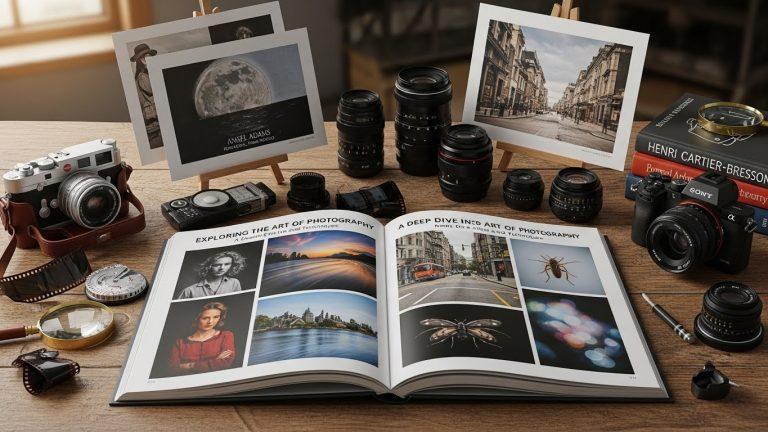
Black and white photography is revered for its ability to evoke emotion and highlight contrasts. By stripping away color, photographers focus on composition, lighting, and texture. This style has given us some of the most iconic images in history, such as Ansel Adams’ breathtaking landscapes and Henri Cartier-Bresson’s candid street photography.
One of the key techniques in black and white photography is the use of light and shadow to create depth and dimension. Photographers often experiment with different lighting conditions to achieve dramatic effects. The absence of color forces the viewer to engage with the subject matter in a more profound way, often creating a sense of nostalgia and timelessness.
Portrait Photography: Capturing the Human Essence

Portrait photography is all about capturing the personality and essence of a subject. From formal studio portraits to candid shots, this style requires a keen understanding of human emotion and expression. Renowned photographers like Richard Avedon and Annie Leibovitz have mastered the art of portraiture, creating images that resonate with viewers on a personal level.
To excel in portrait photography, a photographer must build a rapport with the subject, making them feel comfortable and relaxed. This connection allows the photographer to capture genuine expressions and emotions. Additionally, techniques such as depth of field and lighting play crucial roles in highlighting facial features and creating mood.
Landscape Photography: Embracing Nature’s Beauty
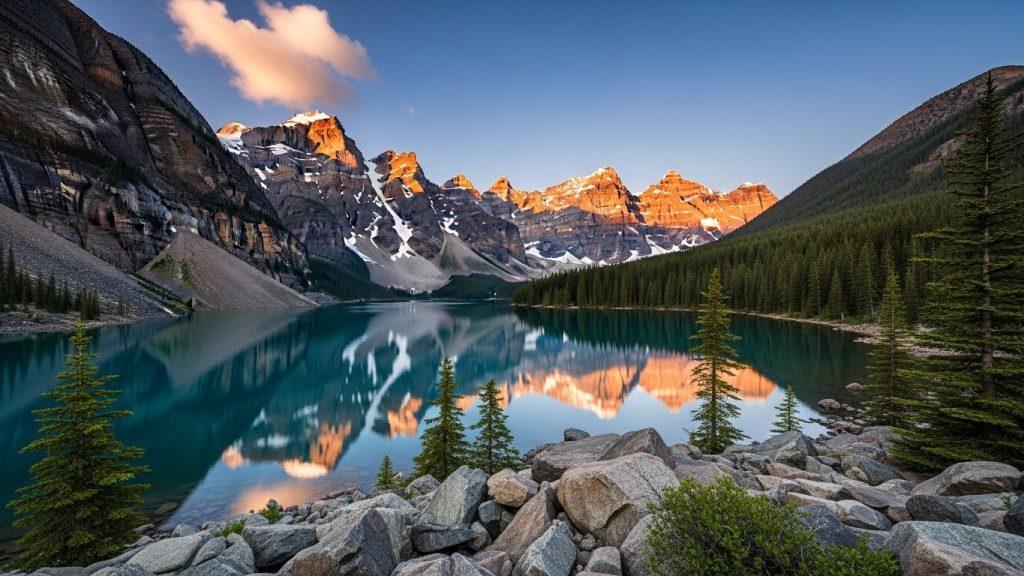
Landscape photography captures the beauty and grandeur of the natural world. This style requires patience, planning, and a deep appreciation for the environment. Photographers like Galen Rowell and Ansel Adams have created iconic images that celebrate the majesty of nature.
Successful landscape photography involves understanding the interplay of light and weather conditions. The golden hours of sunrise and sunset are particularly popular for capturing stunning landscapes. Composition is also critical, with techniques like the rule of thirds and leading lines guiding the viewer’s eye through the image. A tripod and wide-angle lens are often essential tools for landscape photographers looking to achieve sharpness and detail.
Street Photography: Capturing Urban Life
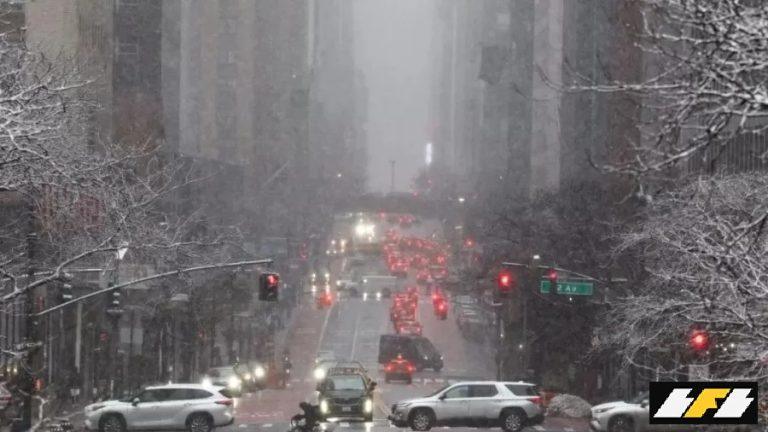
Street photography is a dynamic and spontaneous style that captures the essence of urban life. It is about observing and documenting everyday moments in public spaces. Photographers like Vivian Maier and Garry Winogrand have excelled in this genre, offering unique glimpses into human interactions and cityscapes.
The key to street photography is being unobtrusive and quick. Capturing candid moments often requires a small, portable camera and a sharp eye for detail. Street photographers must be ready to react to unfolding scenes, making split-second decisions about composition and framing. The result is often a powerful and authentic portrayal of life as it happens.
Macro Photography: Revealing the Unseen
Macro photography allows us to explore the intricate details of small subjects, revealing a world that is often overlooked. This style is popular among nature photographers who capture the delicate beauty of insects, flowers, and other tiny wonders. Photographers like Thomas Shahan have become known for their stunning macro images that highlight the complexity of the natural world.
Achieving striking macro photographs requires specialized equipment, such as macro lenses or extension tubes. Lighting is crucial, as it helps to highlight textures and details. Additionally, a steady hand or tripod is necessary to achieve sharp focus, given the shallow depth of field inherent in macro photography. Patience and experimentation are key to mastering this detailed and rewarding style.
Digital Photography: Embracing the Future
The advent of digital photography has revolutionized the art form, making it more accessible and versatile than ever before. Digital cameras and editing software have empowered photographers to experiment and innovate with ease. Techniques such as high dynamic range (HDR) imaging and digital compositing have opened up new possibilities for creative expression.
One of the significant advantages of digital photography is the ability to edit and enhance images post-capture. Software like Adobe Photoshop allows photographers to adjust colors, contrast, and exposure, creating images that align with their artistic vision. This flexibility has expanded the boundaries of traditional photography, enabling artists to blend reality with imagination.
Conclusion: The Endless Possibilities of Photography
Photography is a diverse and ever-evolving art form that continues to inspire and captivate audiences worldwide. From the timeless elegance of black and white images to the innovative possibilities of digital photography, each style and technique offers unique ways to explore and interpret the world around us. As photographers continue to push the boundaries of creativity, the art of photography remains a powerful medium for storytelling and self-expression.
Whether you are a seasoned professional or an enthusiastic amateur, understanding the various styles and techniques of photography can enrich your artistic journey. By embracing both the history and future of photography, we can continue to create images that resonate with viewers for generations to come.
Exploring New Styles: Experimental and Abstract Photography
As photographers seek to push the boundaries of traditional photography, experimental and abstract styles have gained popularity. These techniques invite photographers to break away from reality and explore new forms of visual expression. Abstract photography, in particular, emphasizes shapes, colors, and textures over recognizable subjects, allowing the viewer to interpret the image through their own lens.
Experimental photography often involves unconventional methods, such as intentional motion blur, light painting, or multiple exposures. These techniques can create surreal and dreamlike images that challenge our perceptions of reality. Renowned photographers like Man Ray and László Moholy-Nagy have been pioneers in this genre, using innovative approaches to create captivating and thought-provoking works of art.
Documentary Photography: Storytelling Through Images
Documentary photography is a powerful tool for storytelling, capturing real-life events and social issues with authenticity and integrity. This style requires a deep commitment to truth and empathy, as photographers document the world around them to raise awareness and inspire change. Iconic documentary photographers like Dorothea Lange and Sebastião Salgado have used their cameras to shed light on important social and environmental issues.
Successful documentary photography involves extensive research and a deep understanding of the subject matter. Photographers must build trust with their subjects, often spending significant time immersed in the environment they are documenting. The result is a series of images that not only inform but also evoke empathy and understanding in viewers.
Fashion Photography: Merging Art and Commerce
Fashion photography is a glamorous and vibrant style that blends artistic vision with commercial appeal. It is a genre that celebrates beauty, style, and creativity, often featuring models, clothing, and accessories in stylized settings. Photographers like Mario Testino and Helmut Newton have become icons in the fashion world, known for their ability to create captivating and aspirational images.
In fashion photography, lighting, composition, and styling are crucial elements that contribute to the overall impact of the image. Photographers work closely with designers, stylists, and models to bring a vision to life, often drawing inspiration from art, culture, and current trends. The result is a dynamic and ever-evolving genre that continues to influence both the art world and the fashion industry.
Wildlife Photography: Capturing Nature’s Majesty
Wildlife photography is a challenging and rewarding genre that requires patience, skill, and a deep respect for nature. Photographers like Frans Lanting and Steve Winter have dedicated their careers to capturing the beauty and diversity of the animal kingdom, often in remote and unpredictable environments.
This style of photography demands specialized equipment, such as telephoto lenses and high-speed cameras, to capture animals in their natural habitats. Wildlife photographers must also possess a deep understanding of animal behavior, allowing them to anticipate movements and capture fleeting moments. The resulting images not only showcase the majesty of wildlife but also raise awareness about conservation efforts and the importance of protecting our planet’s biodiversity.
Architectural Photography: Celebrating Design and Structure
Architectural photography focuses on capturing the design and aesthetic of buildings and structures. This genre requires a keen eye for detail and an understanding of architectural principles. Photographers like Julius Shulman and Iwan Baan have made significant contributions to this field, highlighting the beauty and intricacy of both historic and modern architecture.
Key techniques in architectural photography include the use of perspective control, symmetry, and framing to emphasize the lines and shapes of a structure. Lighting is also a critical factor, as it can dramatically alter the appearance and mood of a building. Whether capturing the grandeur of a skyscraper or the charm of a historic landmark, architectural photography celebrates the artistry of design and construction.
The Role of Post-Processing in Modern Photography
In today’s digital age, post-processing has become an integral part of the photographic workflow. Tools like Adobe Lightroom and Photoshop allow photographers to enhance and refine their images, bringing their creative vision to life. Post-processing techniques can range from basic adjustments, such as cropping and exposure correction, to more advanced manipulations, such as compositing and retouching.
While some purists may argue that post-processing detracts from the authenticity of photography, it is undeniable that these tools provide photographers with greater creative control. By carefully balancing technical adjustments with artistic intent, photographers can create images that resonate with viewers and stand the test of time.
Conclusion: Continuing the Legacy of Photography
The world of photography is vast and diverse, offering endless opportunities for exploration and expression. From the classic elegance of black and white images to the innovative possibilities of digital manipulation, each style and technique contributes to the rich tapestry of photographic art. As we continue to explore the myriad ways in which photography can capture and convey the human experience, it is clear that this art form will remain an enduring and influential force in both the creative and cultural landscapes.
Whether you are drawn to the storytelling power of documentary photography or the aesthetic allure of fashion imagery, embracing the diverse styles and techniques of photography can enrich your artistic journey. By learning from the masters and experimenting with new approaches, photographers can continue to push the boundaries of what is possible, creating images that inspire, inform, and captivate audiences for generations to come.
About the Author