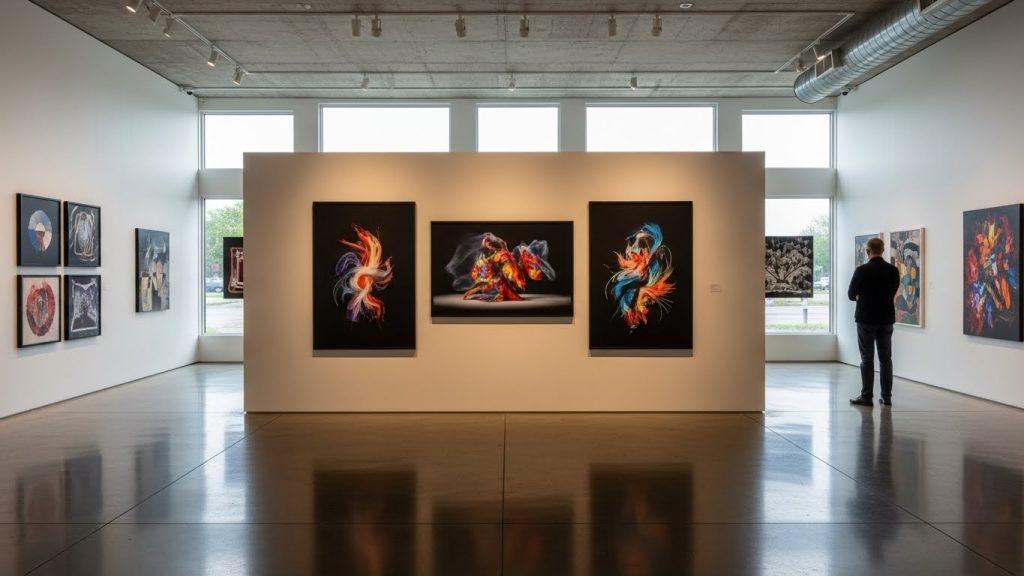
Exploring the Boundaries: The Power and Beauty of Artistic Photography
Artistic photography is a realm where the boundaries between reality and imagination blur, allowing photographers to express emotions, ideas, and stories through their lens. Unlike traditional photography, which often focuses on documenting reality, artistic photography prioritizes creativity, interpretation, and aesthetic value. This form of art challenges both the artist and the viewer to see beyond the surface, to explore the depths of human experience, and to appreciate the world in new and unexpected ways.
The Essence of Artistic Photography
At its core, artistic photography is about self-expression. It allows photographers to convey their unique perspectives and emotions, turning a simple photograph into a powerful piece of art. This form of photography is not bound by rules or conventions; instead, it encourages experimentation and innovation. The result is a diverse array of images that can evoke a wide range of feelings, from awe and wonder to introspection and contemplation.
The Techniques Behind the Art
Artistic photographers employ a variety of techniques to create their masterpieces. These techniques can include manipulation of light, color, and composition, as well as the use of digital editing tools to enhance or alter the image. Some photographers prefer to work within the constraints of natural light, using shadows and highlights to add depth and drama to their images. Others might use artificial lighting to create surreal or fantastical effects.

Composition is another critical element in artistic photography. By carefully arranging elements within the frame, photographers can guide the viewer’s eye and create a sense of balance and harmony. Techniques such as the rule of thirds, leading lines, and framing can all be used to enhance the visual impact of a photograph.
The Role of Emotion and Storytelling
One of the most compelling aspects of artistic photography is its ability to tell a story or evoke an emotional response. A single image can capture a fleeting moment of joy, sadness, or wonder, allowing the viewer to connect with the subject on a personal level. This emotional connection is often what sets artistic photography apart from other forms of visual art.
Storytelling in photography is not always straightforward. It can be subtle and open to interpretation, allowing each viewer to bring their own experiences and perspectives to the image. This ambiguity adds depth and complexity, inviting viewers to engage with the photograph on a deeper level.
Famous Artistic Photographers
Throughout history, many photographers have made significant contributions to the field of artistic photography. One such pioneer is Ansel Adams, whose stunning black-and-white landscapes of the American West have become iconic. Adams’ work is celebrated for its technical precision and its ability to capture the sublime beauty of nature.
Another influential figure is Cindy Sherman, known for her conceptual portraits that explore themes of identity and representation. Sherman’s work often challenges societal norms and expectations, using photography as a tool for social commentary.
Contemporary photographers like Gregory Crewdson and Alex Prager continue to push the boundaries of artistic photography, creating elaborate and often cinematic images that blur the line between reality and fiction. Their work highlights the ongoing evolution of the medium and its potential for creative expression.
The Intersection of Technology and Art
The advent of digital technology has revolutionized artistic photography, providing photographers with new tools and techniques to bring their visions to life. Digital cameras, editing software, and online platforms have expanded the possibilities for artistic expression, allowing photographers to experiment with new styles and reach wider audiences.
Photographers can now use software like Adobe Photoshop and Lightroom to enhance their images, adding layers of color, texture, and detail that would be impossible to achieve with traditional film. These tools have also democratized the field, making it more accessible to aspiring photographers who may not have access to expensive equipment or studio space.
Additionally, social media platforms like Instagram and Pinterest provide a space for photographers to share their work and connect with audiences around the world. This global reach has fostered a vibrant and diverse community of artists, each contributing their unique voice to the ongoing conversation about the power and beauty of photography.
The Impact of Artistic Photography on Society
Artistic photography has the power to influence and inspire, challenging viewers to reconsider their perceptions and beliefs. It can serve as a catalyst for social change, bringing attention to important issues and encouraging dialogue and reflection. Photographers like Sebastião Salgado have used their art to document humanitarian crises and advocate for social justice, highlighting the potential of photography as a tool for activism and change.
Moreover, artistic photography can also provide a sense of escapism, offering viewers a glimpse into worlds that are both familiar and fantastical. It allows people to explore new perspectives and experiences, broadening their understanding of the world and their place within it.
Conclusion: The Enduring Appeal of Artistic Photography
In a world that is increasingly saturated with images, artistic photography stands out for its ability to captivate and inspire. It is a medium that transcends language and culture, speaking to the universal human experience and the desire for connection and understanding. Whether through the lens of a camera or the screen of a smartphone, artistic photography continues to push the boundaries of creativity and imagination, revealing the beauty and complexity of the world around us.
As technology continues to evolve, so too will the possibilities for artistic expression. Photographers will undoubtedly find new ways to challenge conventions and explore the limits of their craft, ensuring that artistic photography remains a dynamic and vital form of art for generations to come.
For those interested in delving deeper into the world of artistic photography, organizations like the International Center of Photography offer resources and exhibitions that celebrate the art and its practitioners, providing an invaluable platform for education and inspiration.
Exploring Different Genres within Artistic Photography
Artistic photography encompasses a wide range of genres, each with its unique characteristics and appeal. From abstract and conceptual photography to portrait and landscape photography, each genre offers photographers distinct opportunities to express their creativity and showcase their technical prowess.
Abstract Photography: This genre focuses on the visual elements of an image rather than the subject itself. By emphasizing color, shape, and texture, abstract photographers create images that challenge viewers to see familiar objects in new and intriguing ways. Abstract photography often blurs the lines between reality and perception, inviting viewers to engage with the image on a purely aesthetic level.
Conceptual Photography: In conceptual photography, the idea or concept behind the image takes precedence over the subject. This genre often involves staged scenes or symbolic elements that convey a specific message or theme. Conceptual photographers like Jeff Wall use their work to explore complex ideas and provoke thought and discussion among their audience.
Portrait Photography: While traditional portrait photography aims to capture the likeness of a person, artistic portraiture goes a step further by incorporating elements of storytelling and emotion. Photographers like Annie Leibovitz are renowned for their ability to capture the essence of their subjects, revealing layers of personality and character through their lens.
Landscape Photography: Artistic landscape photography transforms natural scenes into visual poetry. By focusing on light, composition, and atmosphere, photographers like Michael Kenna create images that evoke a sense of wonder and awe. This genre allows artists to explore the relationship between humanity and the natural world, highlighting both its beauty and fragility.
Challenges and Opportunities in Artistic Photography
While artistic photography offers immense creative freedom, it also presents unique challenges. Photographers must constantly push the boundaries of their craft, experimenting with new techniques and ideas to create compelling images. This requires a willingness to take risks and embrace failure as part of the creative process.
Additionally, the rise of digital media has led to increased competition and saturation in the field. To stand out, photographers must develop a distinctive style and voice, continually honing their skills and adapting to changing trends and technologies.
However, these challenges also present opportunities for growth and innovation. The digital age has democratized access to photography, allowing more people than ever to explore their artistic potential. Online platforms and communities provide valuable resources and support, enabling photographers to learn from one another and share their work with a global audience.
The Future of Artistic Photography
The future of artistic photography is bright, with new technologies and platforms offering endless possibilities for creative exploration. Emerging technologies such as virtual reality and augmented reality are poised to revolutionize the way we experience and interact with photographic art, offering immersive and interactive experiences that transcend traditional boundaries.
Moreover, the growing importance of environmental and social issues is likely to influence the themes and subjects explored by future photographers. As artists continue to engage with pressing global challenges, artistic photography will remain a powerful medium for raising awareness and inspiring change.
In conclusion, artistic photography is a dynamic and ever-evolving field that celebrates the power of imagination and creativity. Whether capturing the beauty of the natural world or exploring the complexities of the human experience, photographers have the opportunity to inspire and connect with audiences in profound and meaningful ways. As technology and society continue to evolve, artistic photography will undoubtedly continue to push the boundaries of what is possible, revealing new dimensions of beauty and understanding in the world around us.
For those interested in learning more about the art of photography, organizations such as the Royal Photographic Society offer a wealth of resources and insights into the history and practice of this captivating art form.
About the Author