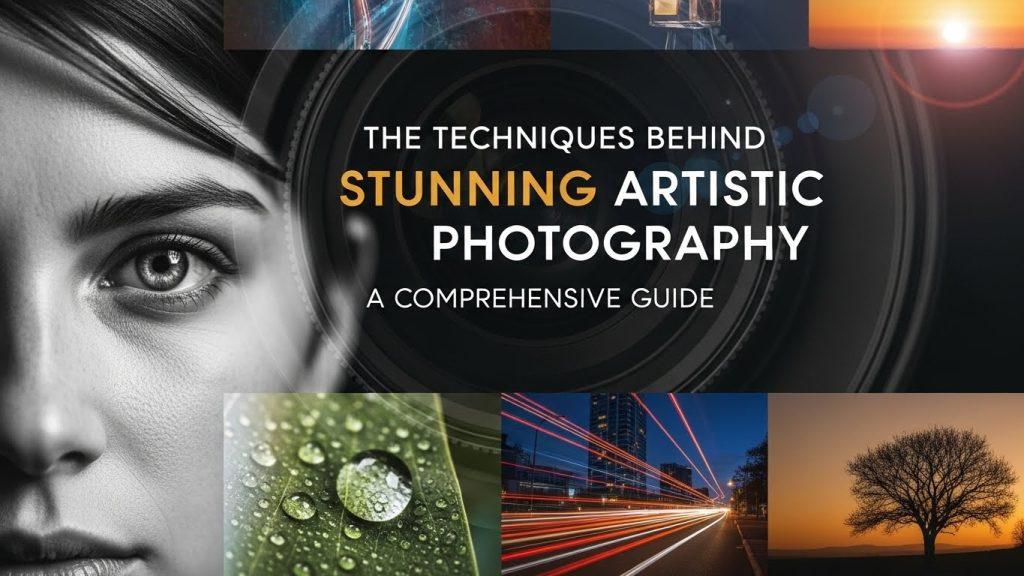
The Techniques Behind Stunning Artistic Photography: A Comprehensive Guide
Artistic photography is a captivating genre that transcends the mere act of capturing images. It is about visual storytelling, evoking emotions, and presenting the world through a unique lens. Whether you are an aspiring photographer or a seasoned professional, understanding the techniques behind artistic photography can elevate your work to new heights. In this guide, we will explore various methods and approaches that can help you produce stunning artistic photographs.
Understanding the Fundamentals of Artistic Photography
Before diving into advanced techniques, it’s essential to grasp the fundamental elements that constitute artistic photography. These include composition, lighting, color, and subject matter. Each aspect plays a crucial role in conveying your creative vision.
Composition: The Art of Framing Your Shot
Composition is the foundation of any compelling photograph. It involves arranging the elements within your frame to create a harmonious and balanced image. The rule of thirds is a classic guideline that helps photographers achieve balance by dividing the image into nine equal parts. Positioning the main subject along these lines or at their intersections can create a dynamic composition.
Lighting: Sculpting with Light and Shadow
Lighting is a powerful tool in artistic photography. It can transform an ordinary scene into something extraordinary. Experimenting with natural light, artificial light, and shadows allows photographers to create mood and depth. Golden hour, the time shortly after sunrise or before sunset, is particularly favored for its warm and soft lighting, which can add a magical quality to your photographs.
Color: Conveying Emotion Through Hues

Color is another vital element that can dramatically affect the mood and impact of a photograph. Vibrant colors can evoke excitement and energy, while muted tones can create a sense of calm and introspection. Understanding color theory and the emotional responses different colors elicit can help you make informed choices in your compositions.
Subject Matter: Choosing What to Capture
The subject matter in artistic photography is often chosen for its ability to tell a story or evoke a particular feeling. Whether it’s a portrait, landscape, or abstract scene, the subject should resonate with the viewer on a deeper level. Consider what message or emotion you want to convey and select your subjects accordingly.
Advanced Techniques for Creating Artistic Photographs
Once you have a firm grasp of the fundamentals, you can explore advanced techniques to enhance your artistic photographs. These methods can help you push the boundaries of creativity and bring your vision to life.
Long Exposure: Capturing the Passage of Time
Long exposure photography involves using a slow shutter speed to capture the movement of light and subjects over time. This technique can create stunning effects, such as silky smooth waterfalls, light trails from cars, or stars streaking across the night sky. A tripod and a remote shutter release are essential tools for achieving sharp long exposure shots.
Multiple Exposures: Layering Images for Creativity
Multiple exposure photography involves combining two or more images into a single frame. This technique allows photographers to experiment with blending different scenes or subjects, creating unique and surreal compositions. Digital cameras and editing software offer the flexibility to explore this technique with endless possibilities.
Macro Photography: Exploring the World Up Close
Macro photography reveals the intricate details of small subjects that are often overlooked. It requires a macro lens or extension tubes to achieve a high level of magnification. This technique can transform ordinary objects into fascinating works of art, showcasing textures and patterns that are invisible to the naked eye. For more insights, explore the world of macro photography.
Black and White Photography: Emphasizing Form and Contrast
Black and white photography strips away the distraction of color, allowing the viewer to focus on shapes, textures, and contrasts. This technique can add a timeless quality to your images and is especially effective in portrait and architectural photography. Pay attention to lighting and composition to create powerful monochrome images.
Post-Processing: Enhancing Your Artistic Vision
Post-processing is a crucial step in artistic photography, allowing photographers to refine and enhance their images. While it’s important to maintain the integrity of your original vision, editing software like Adobe Lightroom and Photoshop offer tools to adjust exposure, contrast, color balance, and more.
Adjusting Exposure and Contrast
Proper exposure and contrast are essential for creating impactful images. Use editing software to fine-tune these elements, ensuring that your photographs have the desired brightness and depth. Be mindful not to over-process, as excessive adjustments can lead to unnatural results.
Color Grading: Setting the Mood
Color grading involves altering the colors in your image to achieve a specific mood or aesthetic. This can be done by adjusting the hue, saturation, and temperature. Experiment with different color palettes to find the style that best complements your artistic vision. Learn more about the power of color grading through this comprehensive guide.
Removing Distractions
Distractions such as unwanted objects or blemishes can detract from the overall impact of your photograph. Use retouching tools to remove these elements and keep the focus on your subject. However, avoid excessive retouching that may alter the authenticity of your image.
Inspiration and Continuous Learning
Artistic photography is an ever-evolving field, and continuous learning is essential for growth and development. Seek inspiration from other photographers, art forms, and the world around you. Attend workshops, join photography communities, and participate in exhibitions to expand your horizons.
Finding Inspiration in Art and Nature
Art and nature are rich sources of inspiration for artistic photographers. Visit art galleries, study paintings, and observe how artists use light, composition, and color. Similarly, explore the natural world and pay attention to its patterns, textures, and forms. Nature’s beauty can serve as a catalyst for your creative ideas.
Learning from Masters of Photography
Studying the work of renowned photographers can provide valuable insights and inspiration. Analyze their techniques, compositions, and styles to understand what makes their work impactful. Photographers like Ansel Adams, Henri Cartier-Bresson, and Annie Leibovitz have made significant contributions to the field and can serve as mentors through their work. For a deeper dive into photography masterworks, visit the International Center of Photography.
Takeaways
Artistic photography is a dynamic and expressive art form that allows photographers to share their unique perspectives with the world. By understanding the fundamental elements, experimenting with advanced techniques, and continuously seeking inspiration, you can create stunning images that resonate with viewers. Embrace your creativity, push the boundaries of your imagination, and let your artistic vision shine through every photograph you capture.
The Importance of Experimentation in Artistic Photography
One of the most exciting aspects of artistic photography is the freedom to experiment. Trying new techniques, exploring different subjects, and breaking traditional rules can lead to innovative and unexpected results. Experimentation encourages growth and helps photographers discover their unique style.
Breaking the Rules
While understanding the rules of photography is essential, knowing when to break them can lead to distinctive and memorable images. Consider experimenting with unconventional compositions, such as centering your subject or using diagonal lines to guide the viewer’s eye. Playing with focus and depth of field can also add an element of surprise to your photos.
Exploring Different Genres
Dabbling in various genres of photography can provide fresh insights and inspiration for your artistic work. For example, try street photography to capture candid moments, or explore nature photography to appreciate the beauty of the natural world. Each genre offers unique challenges and opportunities to develop your skills and expand your creative vision.
Utilizing Unconventional Tools
Sometimes, the tools you use can inspire creativity and experimentation. Consider incorporating unconventional equipment, such as pinhole cameras, toy cameras, or even smartphone cameras, to challenge your perspective and approach. These tools can produce unexpected results and push you to think outside the box.
Developing Your Artistic Vision
Artistic photography is deeply personal, and developing your artistic vision is a journey of self-discovery. It’s about understanding your motivations, what inspires you, and how you want to communicate your ideas through your work.
Finding Your Style
Your photographic style is a reflection of your personality and creative preferences. It evolves over time and is influenced by your experiences, interests, and the photographers you admire. To find your style, reflect on the elements you are drawn to in your work, whether it’s the use of color, the choice of subjects, or the mood you aim to convey.
Building a Cohesive Portfolio
A well-curated portfolio showcases your artistic vision and style. It should consist of a collection of your best work, demonstrating consistency and originality. When building your portfolio, choose images that complement each other and tell a cohesive story. This not only highlights your skills but also provides insight into your creative journey.
Articulating Your Vision
Being able to articulate your artistic vision is crucial, whether you’re presenting your work to clients, galleries, or in exhibitions. Consider writing an artist statement that explains your creative process, influences, and the message behind your work. This helps viewers connect with your photography on a deeper level and enhances their appreciation of your art.
Engaging with the Artistic Photography Community
Engagement with the photography community can be enriching and inspiring. Sharing your work, receiving feedback, and learning from others fosters growth and development as an artist.
Participating in Photography Groups and Forums
Joining photography groups and online forums allows you to connect with like-minded individuals who share your passion. These communities offer support, inspiration, and valuable feedback on your work. Engage in discussions, participate in challenges, and collaborate on projects to expand your knowledge and skills.
Attending Workshops and Exhibitions
Workshops and exhibitions provide hands-on learning experiences and exposure to diverse artistic styles. Attending these events can introduce you to new techniques and perspectives, while also offering networking opportunities with other photographers and industry professionals. Keep an eye out for local and international events that align with your interests.
Sharing Your Work and Building an Audience
Sharing your work through social media, photography blogs, and personal websites helps build an audience and gain recognition. Regularly posting your images and engaging with your followers can create a community around your work. Consider collaborating with other artists or contributing to photography publications to reach a wider audience.
Final Thoughts
Artistic photography is a limitless field that allows you to express your vision, emotions, and creativity. By mastering fundamental techniques, embracing experimentation, and continuously seeking inspiration, you can produce stunning photographs that captivate and inspire others. Remember that your journey as an artistic photographer is unique, and your work is a reflection of your individual perspective. Embrace the process, enjoy the discovery, and let your artistic voice shine through every image you create.
About the Author